How to Optimize Your Content for Intent Acceleration: Capturing the 83% of Users Who Skip Traditional Research
How to Optimize Your Content for Intent Acceleration: Capturing the 83% of Users Who Skip Traditional Research
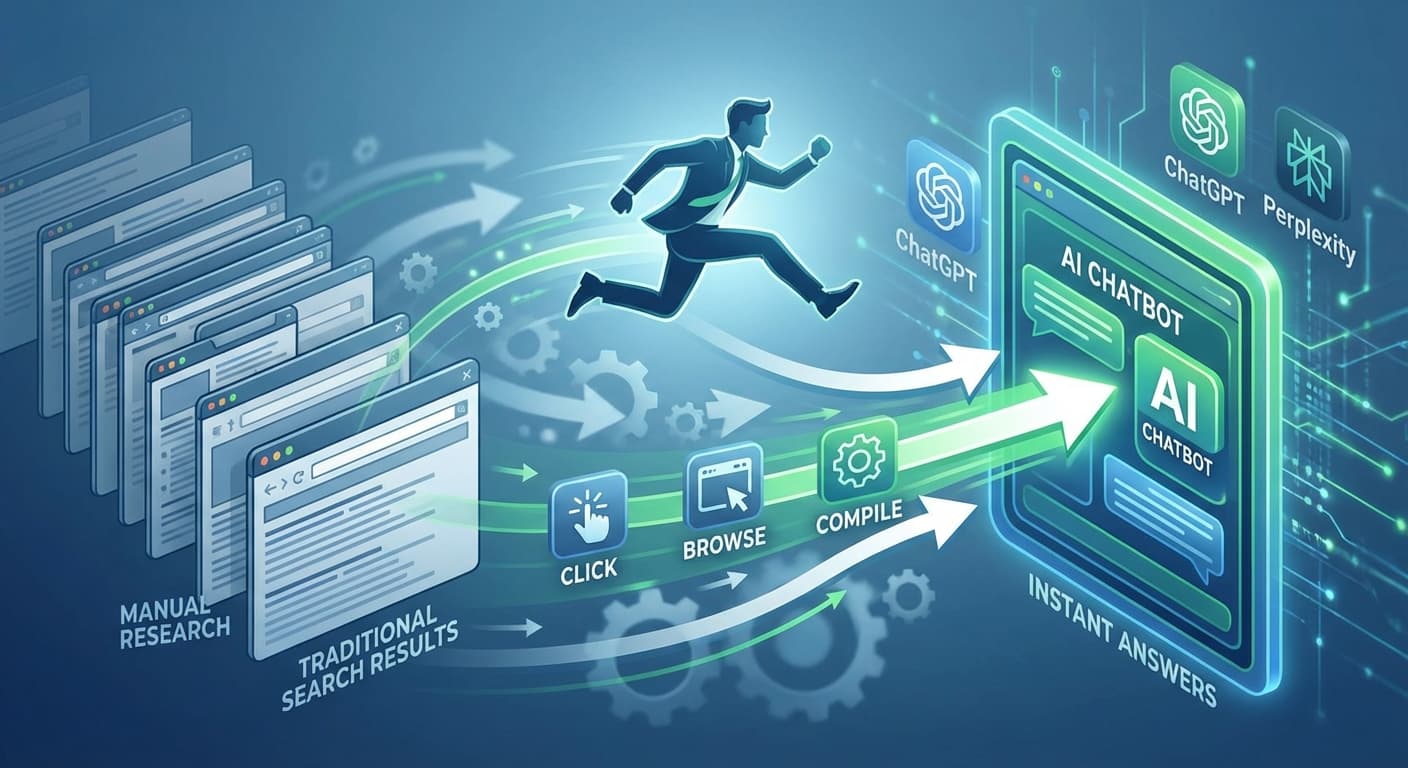
Here's a startling reality check: 83% of users now bypass traditional information-gathering searches and jump straight to solution-focused AI queries. Instead of spending hours researching "what is email marketing" followed by "email marketing benefits" and eventually "best email marketing tools," users simply ask ChatGPT: "What's the best email marketing tool for my small business with a $500 budget?"
This dramatic shift—what experts call "intent acceleration"—has fundamentally changed how users consume content in 2026. With over 700 million weekly ChatGPT users and 65% of Gen Z preferring AI search over traditional Google searches, content creators face a critical question: How do you capture attention when users skip the educational journey you've carefully crafted?
Understanding Intent Acceleration in the AI Era
Intent acceleration describes the phenomenon where users compress their entire research journey into a single, highly specific query. Instead of following the traditional awareness → consideration → decision funnel over multiple sessions, they're asking AI engines to synthesize information from multiple sources and deliver actionable answers immediately.
Recent data from search behavior studies shows that:
Why This Shift Happened
Time Scarcity: With information overload at an all-time high, users value efficiency over comprehensiveness. They'd rather get a "good enough" answer in 30 seconds than spend an hour finding the "perfect" solution.
Trust in AI Synthesis: Users increasingly trust AI engines to aggregate and synthesize information from multiple authoritative sources, eliminating the need to visit individual websites.
Mobile-First Behavior: As 89% of AI search interactions happen on mobile devices, users prefer conversational queries over typing multiple search terms.
The Challenge for Content Creators
Traditional content marketing strategies are suddenly misaligned with user behavior. That comprehensive 3,000-word beginner's guide you spent weeks perfecting? It's likely being overlooked in favor of content that directly addresses advanced, solution-oriented questions.
The problem isn't just about being found—it's about being cited. When AI engines synthesize information, they typically reference 3-5 sources. If your content isn't optimized for these solution-focused queries, you're missing out on valuable citations and traffic.
Strategies to Optimize for Intent Acceleration
1. Reverse-Engineer Solution-Focused Queries
Instead of starting with broad topics, begin with the specific problems your audience wants to solve. Use tools to identify high-intent queries in your niche:
2. Structure Content for Quick AI Consumption
Lead with Immediate Value: Start each piece with a direct answer or recommendation. AI engines prioritize content that provides clear, actionable information upfront.
Use Comparison Frameworks: Create side-by-side comparisons, pros and cons lists, and feature matrices. AI engines excel at synthesizing comparative information.
Include Implementation Details: Don't just explain what to do—provide specific steps, timelines, and resource requirements.
3. Optimize for Context Collapse
When AI engines cite your content, they often pull small snippets without surrounding context. Ensure each section can stand alone by:
4. Create Multi-Layered Content Architecture
Surface Level: Quick answers and recommendations for users in a hurry
Deep Dive: Comprehensive explanations for users who want more detail
Implementation Layer: Step-by-step guides and practical examples
This approach satisfies both accelerated intent users and those who still prefer traditional research methods.
Advanced Optimization Techniques
Semantic Clustering
Group related concepts and questions within single pieces of content. Instead of creating separate articles for "email marketing automation," "email marketing metrics," and "email marketing tools," create comprehensive resources that address all related solution-focused queries.
Conversational Optimization
Write content that mirrors natural conversation patterns. AI engines increasingly favor content that reads like expert responses to specific questions rather than formal, academic writing.
Authority Signaling
Include clear credentials, data sources, and expert opinions. AI engines prioritize authoritative content when synthesizing responses to high-intent queries.
Update Velocity
Maintain content freshness with regular updates. Solution-focused queries often relate to current tools, pricing, and best practices that change frequently.
Measuring Success in the Intent Acceleration Era
New Metrics to Track
Citation Rate: How often your content gets referenced by AI engines
Query Intent Match: Whether your content appears for solution-focused vs. informational queries
Synthesis Snippets: Which portions of your content get extracted by AI engines
Conversion Velocity: Time from first AI citation to actual conversion
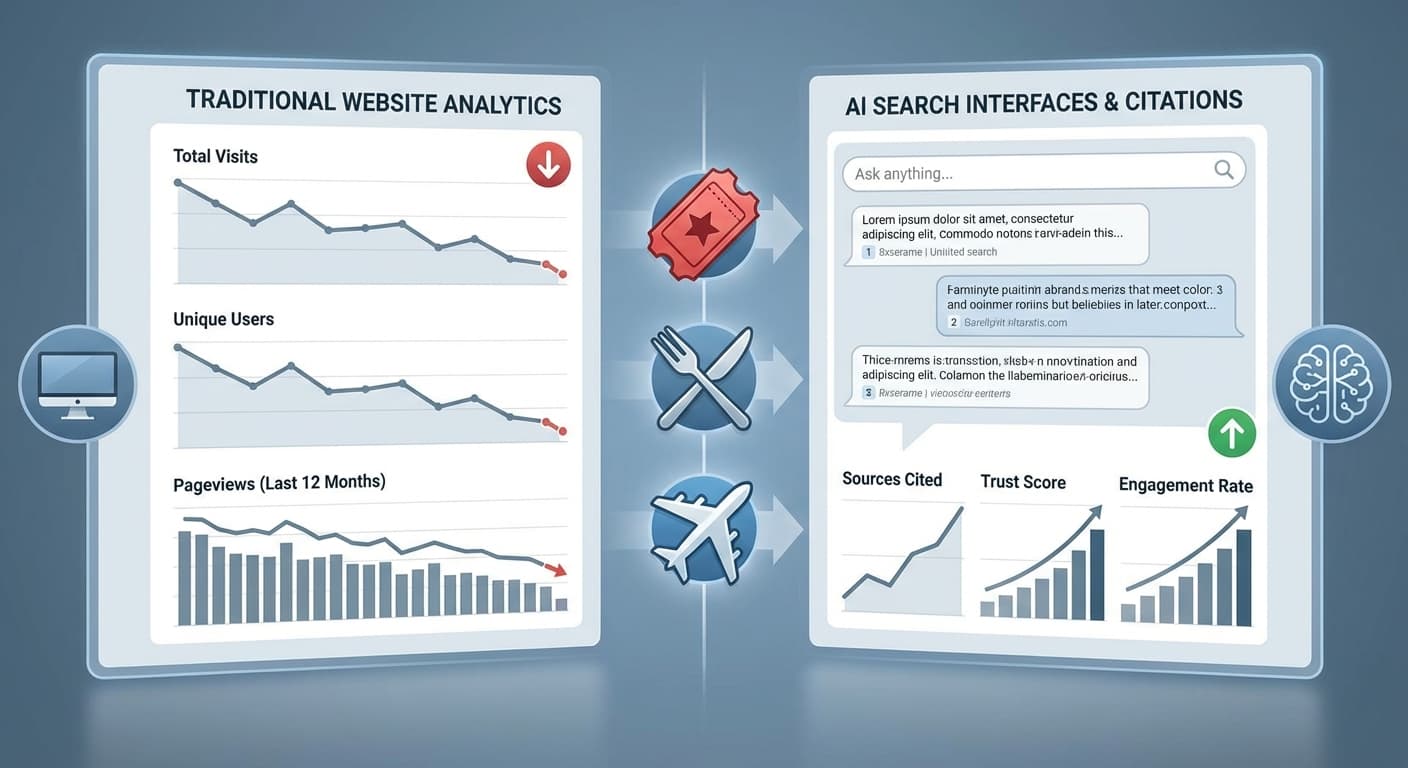
Traditional metrics like page views and time on page become less relevant when users consume your content through AI synthesis rather than direct visits.
Tools and Techniques
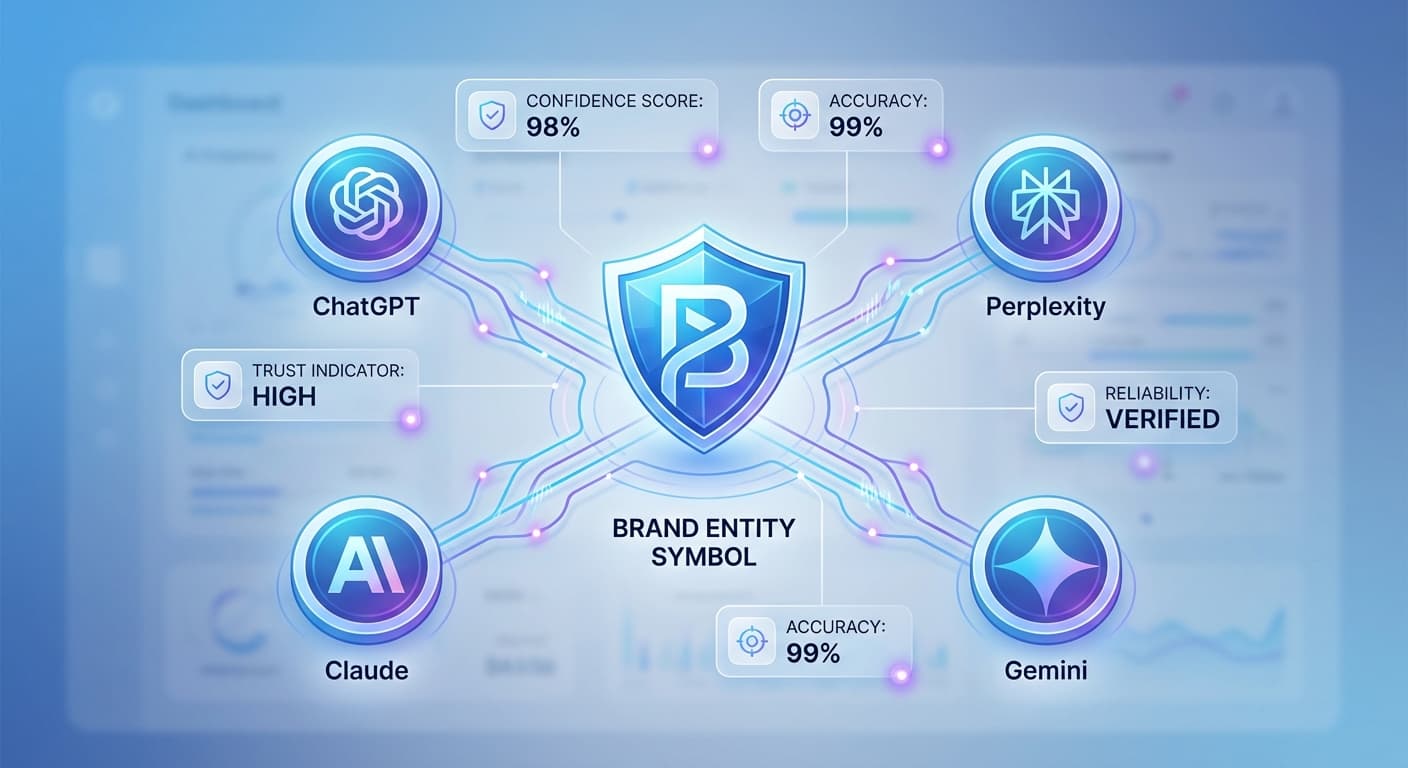
Monitor AI engine citations using specialized tracking tools. Set up alerts for brand mentions across ChatGPT, Claude, Perplexity, and Gemini. Track which content pieces generate the most AI citations and analyze patterns in successful content.
Common Pitfalls to Avoid
Over-Optimization: Don't sacrifice content quality for AI visibility. The best optimized content still provides genuine value to human readers.
Neglecting Traditional SEO: While AI search is growing rapidly, traditional search engines still drive significant traffic. Maintain SEO best practices alongside AI optimization.
Ignoring Brand Building: Solution-focused queries often lack brand consideration. Ensure your optimized content still reinforces brand positioning and unique value propositions.
How Citescope Ai Helps
Optimizing for intent acceleration requires understanding how AI engines interpret and synthesize your content. Citescope Ai's GEO Score analyzes your content across five critical dimensions—AI Interpretability, Semantic Richness, Conversational Relevance, Structure, and Authority—giving you a clear roadmap for optimization.
The platform's AI Rewriter feature specifically addresses intent acceleration by restructuring your content to better answer solution-focused queries. Meanwhile, the Citation Tracker monitors when your optimized content gets referenced by ChatGPT, Perplexity, Claude, and Gemini, helping you measure success in this new landscape.
The Future of Intent Acceleration
As AI engines become more sophisticated, we can expect even more dramatic compression of the research journey. Voice-activated AI assistants and integrated AI shopping experiences will likely accelerate this trend further.
Content creators who adapt now—creating solution-focused, AI-optimized content while maintaining quality and authority—will capture disproportionate value in this evolving landscape.
Ready to Optimize for AI Search?
The shift to intent acceleration isn't coming—it's already here. Users are skipping traditional research patterns and going straight to AI engines for solutions. Is your content ready?
Citescope Ai helps you optimize for this new reality with our comprehensive GEO Score analysis, one-click AI Rewriter, and citation tracking across all major AI search engines. Start with our free tier (3 optimizations per month) and see how your content performs in the age of intent acceleration.
Start your free trial today and transform your content for the AI search era.