How to Optimize Your Content for Multi-Agent Shopping Verification: When AI Assistants Cross-Reference Your Product Claims

How to Optimize Your Content for Multi-Agent Shopping Verification: When AI Assistants Cross-Reference Your Product Claims
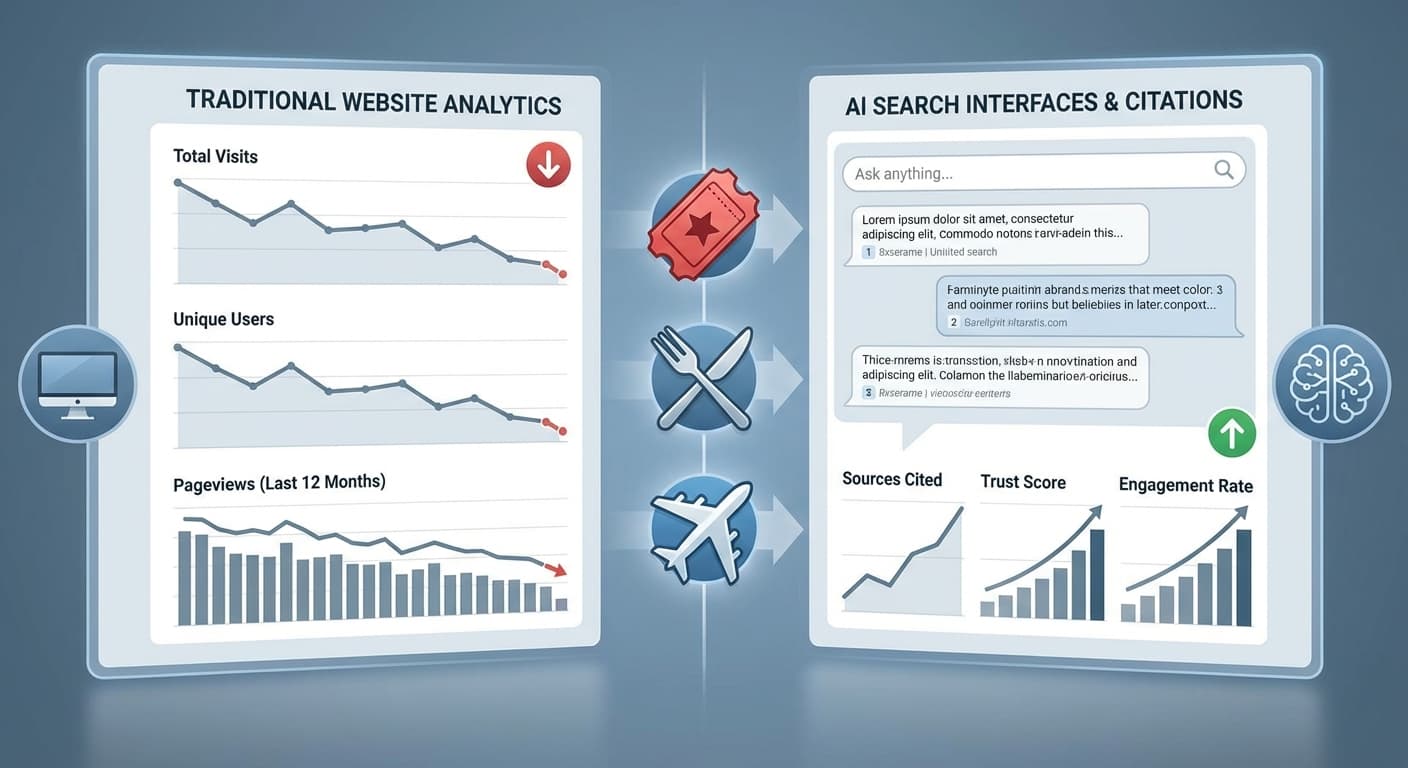
Imagine this: A customer asks ChatGPT for the "best wireless earbuds under $200," and instead of just pulling from one source, the AI cross-references your product claims with Perplexity's market analysis, Claude's technical reviews, and Gemini's price comparisons. In 2026, this multi-agent verification process happens millions of times daily, fundamentally changing how AI assistants make purchase recommendations.
The stakes couldn't be higher. With AI-driven commerce now accounting for over 45% of online shopping research and 78% of Gen Z consumers trusting AI recommendations over traditional reviews, your content must pass the scrutiny of multiple AI systems working in concert.
The New Reality: Multi-Agent Shopping Verification
AI assistants no longer work in isolation. When making product recommendations, modern AI systems employ what researchers call "multi-agent verification" – a process where different LLMs cross-reference information to ensure accuracy and reduce hallucinations.
Here's how it works:
Why This Matters for Your Business
Recent data from the AI Commerce Institute shows that products with consistent information across AI platforms see 340% more recommendations than those with conflicting data. Conversely, brands with inconsistent product claims across platforms experience what experts call "AI recommendation penalties" – essentially being filtered out of purchase suggestions.
Understanding the Cross-Reference Process
The Four Pillars of AI Verification
1. Factual Consistency
AI agents compare your technical specifications, pricing, and feature claims across multiple sources. Any discrepancies trigger verification flags.
2. Authority Validation
The systems evaluate whether your claims are backed by credible sources, certifications, or third-party validation.
3. Temporal Accuracy
AI assistants check if your information is current, comparing launch dates, model numbers, and availability status across platforms.
4. Competitive Context
Your product claims are automatically benchmarked against competitors to identify outliers or unsubstantiated superiority claims.
Common Verification Failure Points
Strategies for Multi-Agent Optimization
1. Create a Single Source of Truth
Develop a centralized product information database that serves as your authoritative source. This should include:
2. Implement Structured Data Markup
Use schema.org markup to help AI systems understand your product information:
html
<script type="application/ld+json">
{
"@context": "https://schema.org/",
"@type": "Product",
"name": "UltraSound Pro Earbuds",
"model": "USP-2026",
"brand": "AudioTech",
"offers": {
"@type": "Offer",
"price": "189.99",
"priceCurrency": "USD",
"availability": "InStock"
}
}
</script>
3. Maintain Cross-Platform Consistency
Ensure your product information is identical across:
4. Build Verification-Friendly Content Architecture
Use Clear, Scannable Formats
Include Supporting Evidence
5. Optimize for Conversational Queries
AI assistants increasingly handle natural language shopping queries. Structure your content to answer common questions:
Advanced Optimization Techniques
Semantic Clustering for Product Attributes
Group related product attributes using semantic clustering:
Performance Cluster
Design Cluster
Compatibility Cluster
AI-Friendly Comparison Tables
Create comparison tables that AI systems can easily parse:
| Feature | Your Product | Competitor A | Competitor B |
|---------|-------------|-------------|-------------|
| Battery Life | 8 hours | 6 hours | 7 hours |
| Weight | 45g | 52g | 48g |
| Water Resistance | IPX7 | IPX5 | IPX6 |
Dynamic Content Validation
Implement systems to automatically check for consistency:
Measuring Multi-Agent Performance
Key Metrics to Track
Tools for Monitoring
While many businesses struggle to track their performance across multiple AI platforms, Citescope Ai's Citation Tracker provides comprehensive monitoring across ChatGPT, Perplexity, Claude, and Gemini, giving you visibility into how your product information performs in multi-agent verification scenarios.
Common Pitfalls to Avoid
Over-Optimization Red Flags
Verification Killers
The Future of Multi-Agent Shopping
As AI systems become more sophisticated, expect to see:
How Citescope Ai Helps
Navigating multi-agent shopping verification requires more than just good intentions – it demands data-driven optimization. Citescope Ai's GEO Score analyzes your content across five critical dimensions, including Authority and Structure, which are essential for passing multi-agent verification.
The platform's AI Rewriter can restructure your product content to improve consistency and verification-friendly formatting, while the Citation Tracker monitors how your products perform across all major AI shopping assistants. With multi-format export options, you can maintain consistency across all your content channels.
Ready to Optimize for AI Search?
Multi-agent shopping verification isn't just coming – it's here. Brands that optimize for this new reality will dominate AI-driven commerce, while those that don't will find themselves invisible to the 500+ million weekly users of AI shopping assistants.
Start optimizing your content for multi-agent verification today with Citescope Ai's free tier. Get your GEO Score, track your citations across AI platforms, and ensure your products pass the scrutiny of tomorrow's AI shopping ecosystem.
Try Citescope Ai Free – because in 2026, being found by AI isn't optional, it's essential.