How to Optimize Your Content Strategy When AI Agent Buyers Use Multi-Step Verification Protocols
How to Optimize Your Content Strategy When AI Agent Buyers Use Multi-Step Verification Protocols
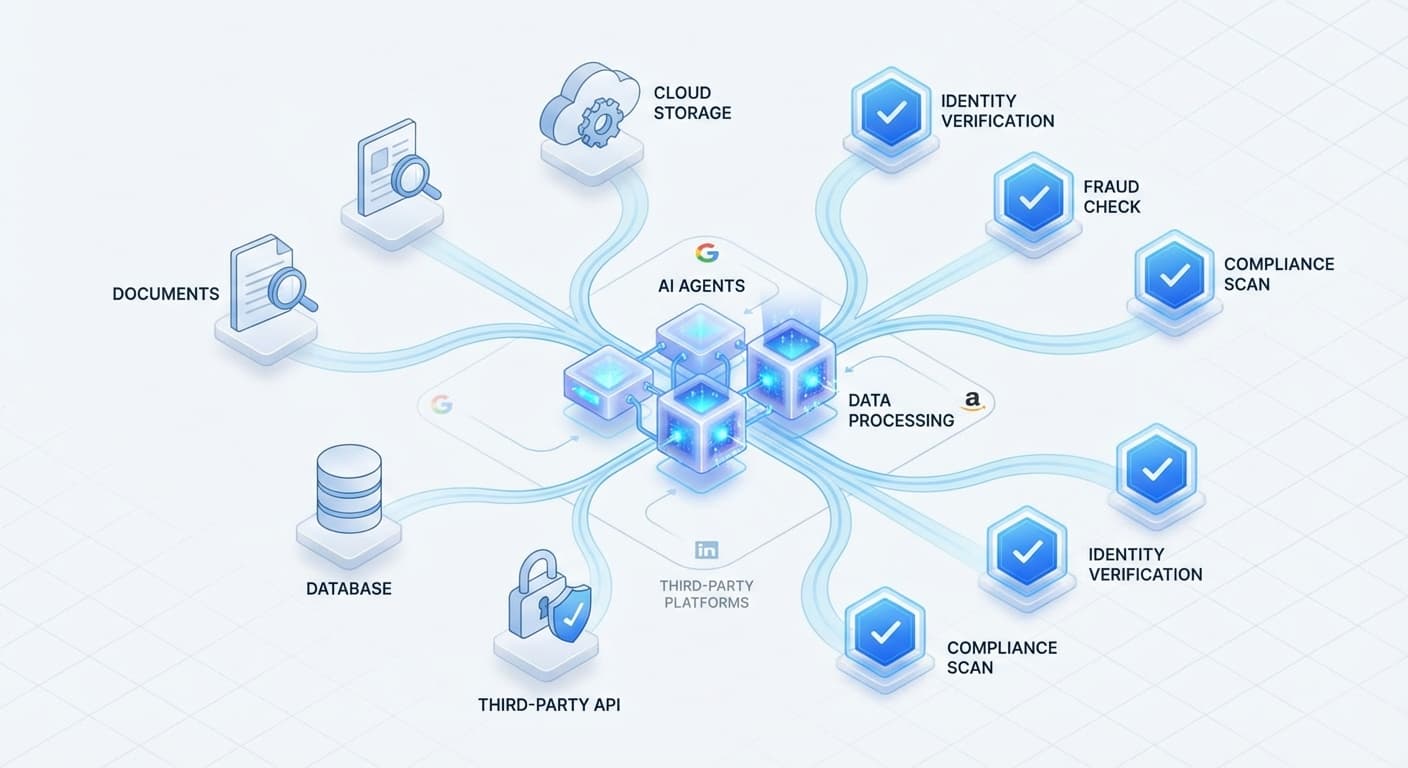
By 2026, over 60% of purchasing decisions are now influenced by AI agents that operate with sophisticated multi-step verification protocols. These AI systems don't just process your brand's direct content—they cross-reference third-party sources, validate claims through independent verification, and build trust signals you may not even know exist.
This shift has created a new challenge for content marketers: how do you optimize for AI buyers when the decision-making process relies heavily on signals outside your direct control?
The New Reality of AI Agent Purchasing Behavior
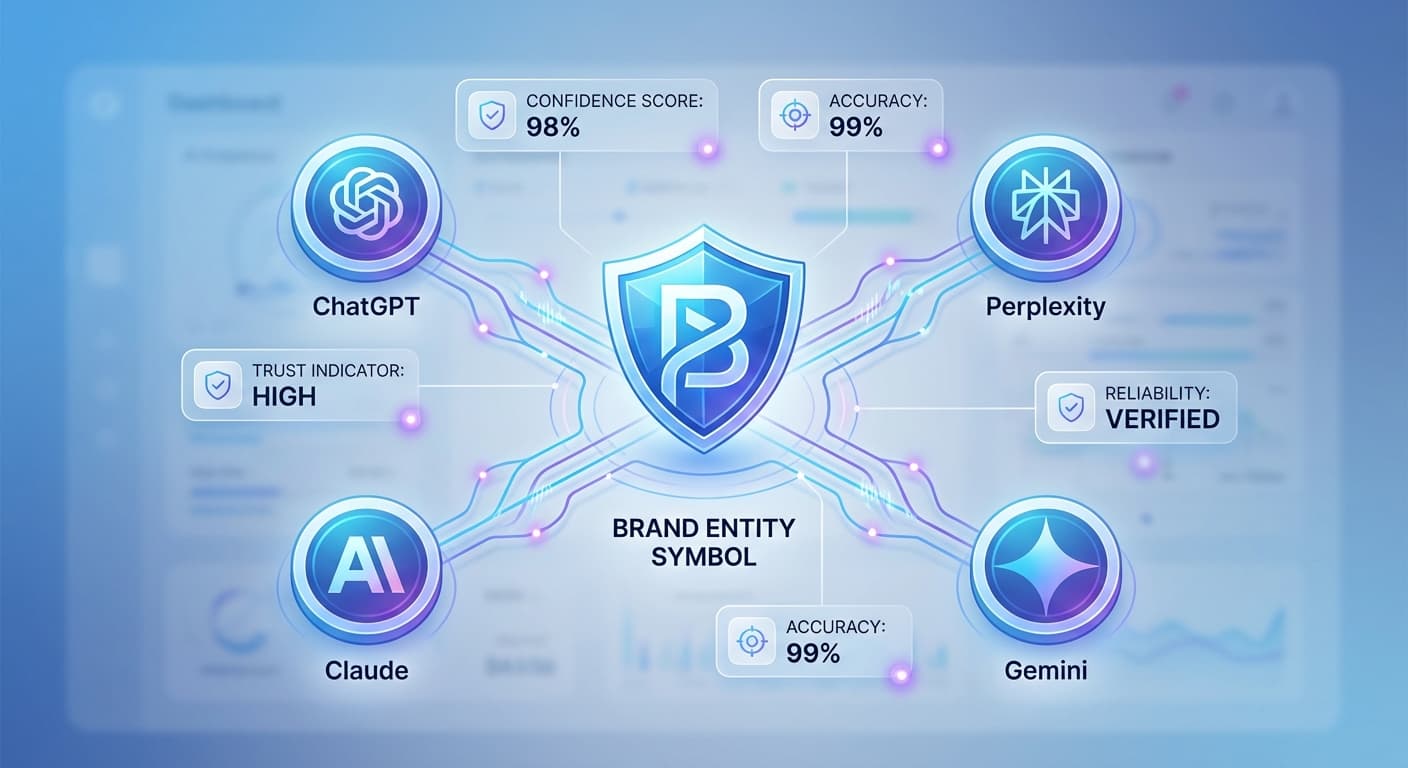
AI agents like ChatGPT, Perplexity, and Claude are now processing over 2 billion queries monthly related to purchasing decisions. These systems have evolved beyond simple keyword matching to employ complex verification protocols that include:
The result? Your perfectly optimized product descriptions might be overshadowed by a single negative review on a platform you've never heard of, or boosted by a mention from an industry expert whose content you can't control.
Understanding Third-Party Trust Signals AI Agents Prioritize
Industry Publications and Expert Citations
AI agents give substantial weight to mentions in established industry publications. When Perplexity recommends a SaaS tool, it's often because that tool has been featured in publications like TechCrunch, Forbes, or industry-specific outlets. These citations act as trust multipliers.
User-Generated Content Validation
Reviews on platforms like G2, Capterra, and Trustpilot now serve as critical verification checkpoints. AI agents don't just count stars—they analyze review sentiment, response patterns, and even the credibility of reviewers themselves.
Social Proof and Community Engagement
LinkedIn discussions, Reddit threads, and community forum mentions have become powerful trust signals. AI agents are sophisticated enough to distinguish between genuine community engagement and manufactured buzz.
Academic and Research References
For B2B purchases especially, AI agents increasingly reference academic papers, industry research, and white papers to validate claims made in marketing content.
Strategic Approaches to Influence Third-Party Trust Signals
1. Build a Systematic PR and Thought Leadership Strategy
Rather than hoping for organic coverage, create a systematic approach to earning third-party mentions:
2. Cultivate Genuine Community Engagement
AI agents can detect authentic community engagement versus promotional activity. Focus on:
3. Optimize for Citation-Worthy Content Creation
Create content that other publishers and experts naturally want to reference:
4. Implement Strategic Review Management
While you can't control all reviews, you can influence the overall narrative:
Adapting Your Content Strategy for Multi-Step Verification
Create Verification-Ready Content
Structure your content to make AI verification easier:
Develop a Multi-Touch Attribution Mindset
Understand that AI agents piece together recommendations from multiple touchpoints:
Tools like Citescope Ai can help you understand how well your content performs across different AI systems and identify opportunities for optimization based on citation patterns.
Implement Continuous Monitoring and Adjustment
The landscape changes rapidly, requiring ongoing attention:
Building Long-Term Trust Signal Strength
Invest in Relationships Over Transactions
Building trust signals requires a relationship-first approach:
Create a Feedback Loop System
Establish systems to understand and improve your third-party trust signal performance:
How Citescope Ai Helps Navigate Third-Party Trust Signals
While you can't directly control third-party trust signals, you can optimize your content to perform better when AI agents cross-reference it with external sources. Citescope Ai's GEO Score analyzes how well your content aligns with AI verification protocols, measuring factors like:
The Citation Tracker feature also helps you monitor when your content gets referenced by ChatGPT, Perplexity, Claude, and Gemini, giving you insights into which pieces of content perform best in multi-step verification scenarios.
Measuring Success in the New Landscape
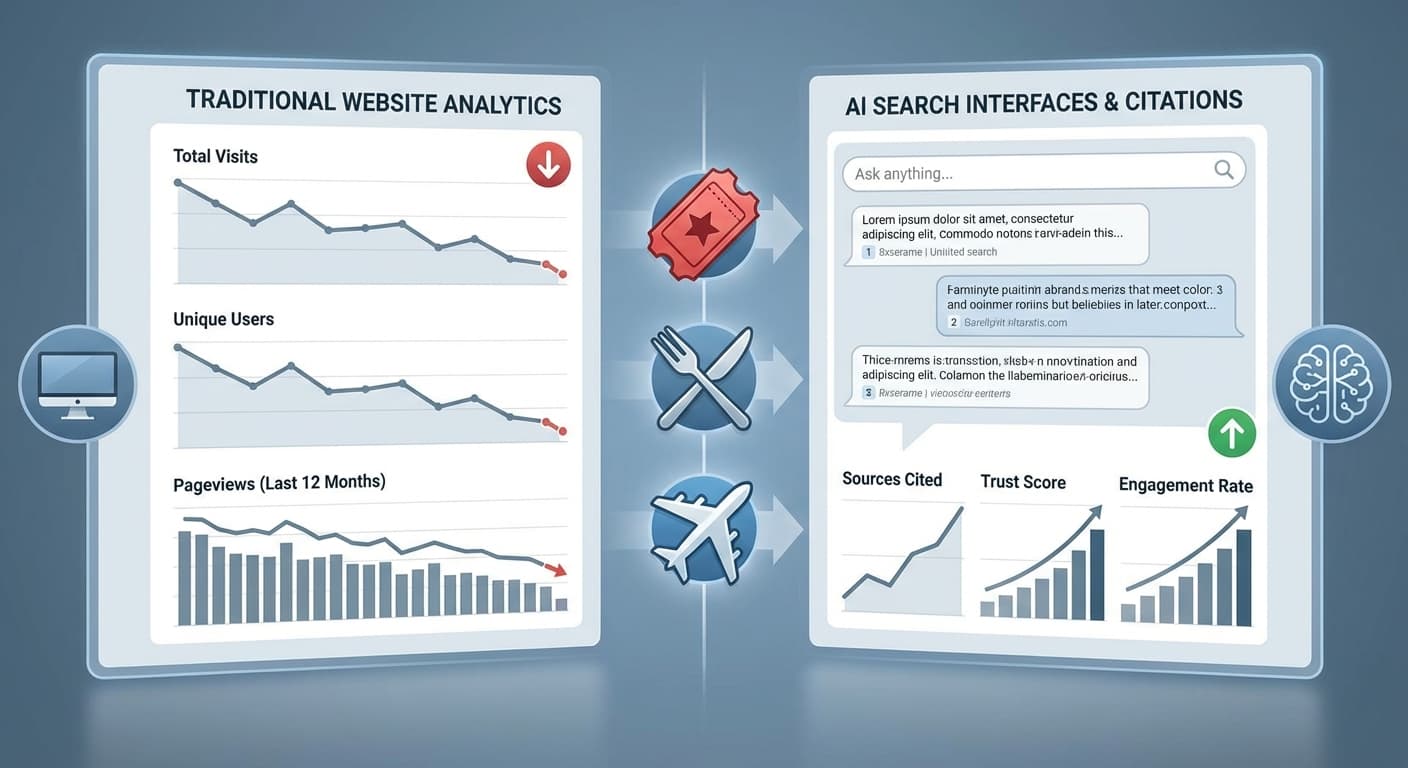
Traditional metrics don't capture the full picture when AI agents use multi-step verification. Consider tracking:
Ready to Optimize for AI Search?
Navigating AI agent verification protocols requires a sophisticated understanding of how these systems evaluate and cross-reference content. Citescope Ai provides the tools and insights you need to optimize your content strategy for this new reality.
Start with our free tier to analyze how well your current content performs across AI search engines, then use our AI Rewriter to optimize for better citation performance. With over 500 million weekly ChatGPT users and AI search accounting for 30%+ of all queries, the time to optimize is now.
Try Citescope Ai free today and see how your content performs in AI verification protocols.