GEO Strategy

How to Optimize Your Off-Site Signals for Agentic AI Filtering When 60% of Purchase Decisions Happen Without Users Visiting Your Website
January 24, 20267 min read
How to Optimize Your Off-Site Signals for Agentic AI Filtering When 60% of Purchase Decisions Happen Without Users Visiting Your Website

How to Optimize Your Off-Site Signals for Agentic AI Filtering When 60% of Purchase Decisions Happen Without Users Visiting Your Website

A shocking 60% of purchase decisions now happen without consumers ever visiting your website. With AI agents like ChatGPT, Perplexity, and Claude processing over 2.3 billion queries monthly and directly answering questions about products, services, and brands, the traditional sales funnel has been completely disrupted.

This shift represents the most significant change in consumer behavior since the rise of mobile search. AI agents are now the primary research assistants for millions of consumers, and they're making recommendations based on signals that exist entirely outside your direct control. The question isn't whether this will impact your business—it's whether you're prepared to influence these AI systems before they influence your customers.

The New Reality of Agentic AI Commerce

By 2026, agentic AI has fundamentally changed how consumers discover and evaluate products. Instead of clicking through search results and browsing multiple websites, users ask AI agents questions like:

  • "What's the best project management software for remote teams under $50/month?"

  • "Which sustainable skincare brands have the best reviews for sensitive skin?"

  • "What are the top-rated local plumbers with same-day availability?"
  • These AI agents synthesize information from across the web to provide direct answers, often including specific recommendations complete with pricing, features, and even purchase links. The result? Consumers are making informed decisions without ever visiting your website.

    Understanding Off-Site Signals That Matter to AI Agents

    AI agents don't just scrape your website—they analyze the entire digital ecosystem surrounding your brand. Here are the key off-site signals that influence how AI systems perceive and recommend your business:

    Review and Rating Signals

    Google Reviews and Local Listings

  • Average rating and total review count

  • Recency and frequency of new reviews

  • Response rate and quality to customer feedback

  • Consistency across multiple platforms
  • Third-Party Review Platforms

  • Trustpilot, Yelp, industry-specific review sites

  • Detailed review content that mentions specific features

  • Photo and video reviews that provide social proof
  • Social Media and Community Signals

    Social Media Presence

  • Engagement rates and follower growth patterns

  • User-generated content and brand mentions

  • Customer service interactions in public forums

  • Influencer collaborations and endorsements
  • Community Discussions

  • Reddit threads and forum discussions about your brand

  • Q&A platforms like Quora where your expertise is cited

  • LinkedIn thought leadership and professional recognition
  • Authority and Credibility Indicators

    Media Coverage and PR

  • News articles, press releases, and industry publications

  • Awards, certifications, and recognitions

  • Speaking engagements and conference appearances

  • Podcast interviews and guest content
  • Professional Networks

  • Industry directory listings

  • Professional association memberships

  • Partner and vendor relationships

  • Case studies published by third parties
  • Strategic Approaches to Off-Site Optimization

    1. Implement a Systematic Review Management Strategy

    AI agents heavily weight review signals when making recommendations. A comprehensive review strategy should include:

  • Automated review request sequences following positive customer interactions

  • Multi-platform approach to capture reviews across Google, industry-specific sites, and social platforms

  • Response protocols that demonstrate customer care and address concerns publicly

  • Review optimization that encourages customers to mention specific features and benefits
  • 2. Create Citation-Worthy Content Assets

    Develop content specifically designed to be cited by AI agents:

  • Research reports and industry studies with quotable statistics

  • Comprehensive guides that become go-to resources in your field

  • Case studies with measurable outcomes that demonstrate real-world success

  • Expert commentary on industry trends and developments
  • These assets work best when they're published on authoritative third-party platforms, not just your own website.

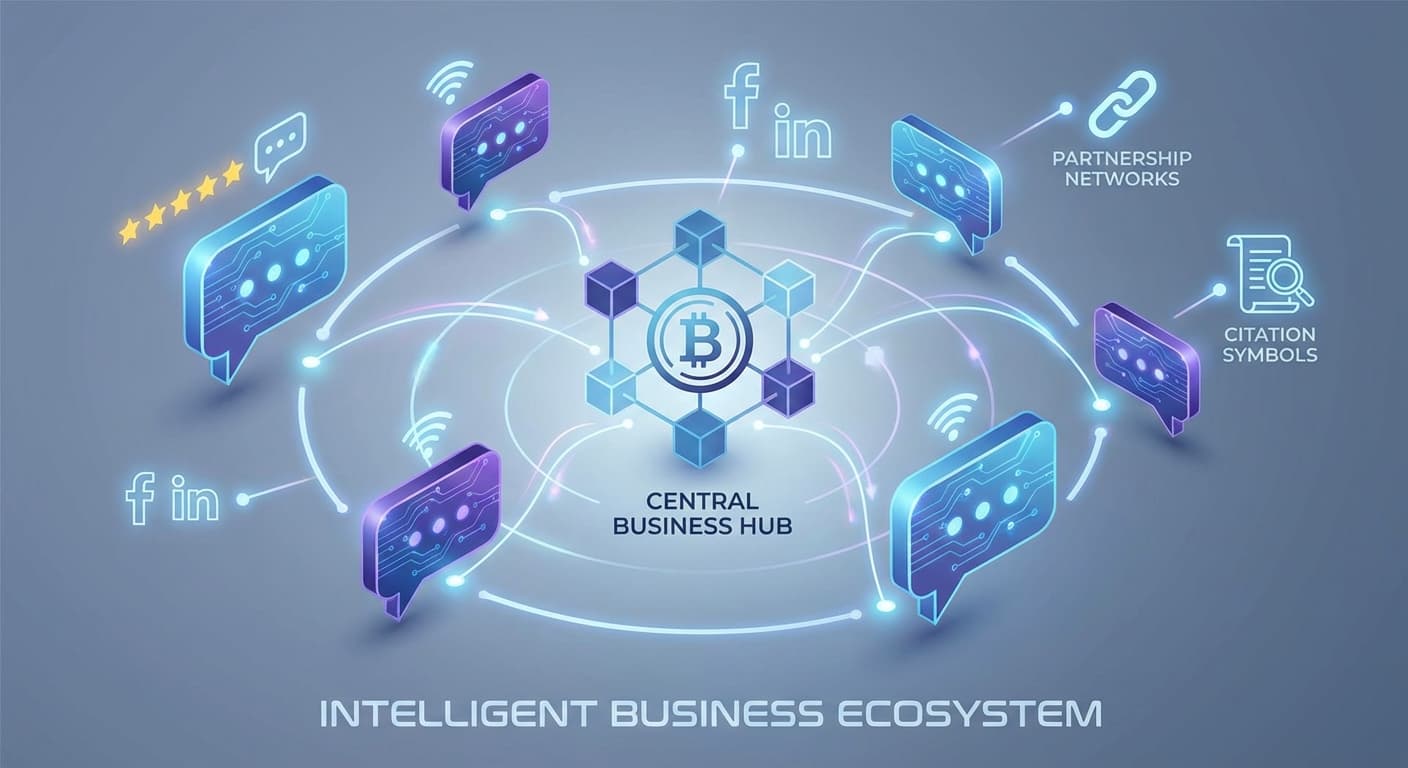
    3. Build Strategic Partnership Networks

    Vendor and Supplier Relationships

  • Ensure your partners mention your collaboration in their content

  • Participate in partner case studies and success stories

  • Seek inclusion in partner resource directories and recommendation lists
  • Industry Collaborations

  • Join industry associations and actively participate

  • Contribute to industry publications and thought leadership platforms

  • Speak at conferences and events where content is recorded and shared
  • 4. Optimize for Local and Niche AI Queries

    AI agents excel at providing localized and highly specific recommendations:

  • Geo-targeted content that positions you as the local expert

  • Niche-specific expertise that makes you the go-to source for specialized queries

  • Location-based partnerships with complementary businesses

  • Local event participation and community involvement
  • Advanced Tactics for AI Agent Influence

    Structured Data Beyond Your Website

    While schema markup on your site is important, consider:

  • Third-party platforms that support structured data about your business

  • Directory listings with complete, consistent business information

  • Product listings on marketplaces and comparison sites with rich metadata
  • Content Syndication and Distribution

  • Guest posting on high-authority sites in your industry

  • Content repurposing across multiple platforms with proper attribution

  • Podcast guesting to establish expertise and create quotable content

  • Social media content that provides value and encourages sharing
  • Monitor and Respond to AI Citations

    Track when AI agents mention your brand:

  • Set up alerts for brand mentions across AI platforms

  • Monitor the context and accuracy of AI-generated content about your business

  • Identify gaps where competitors are being cited instead of you

  • Respond to inaccuracies by improving your off-site signal quality
  • How Citescope Ai Helps You Navigate This New Landscape

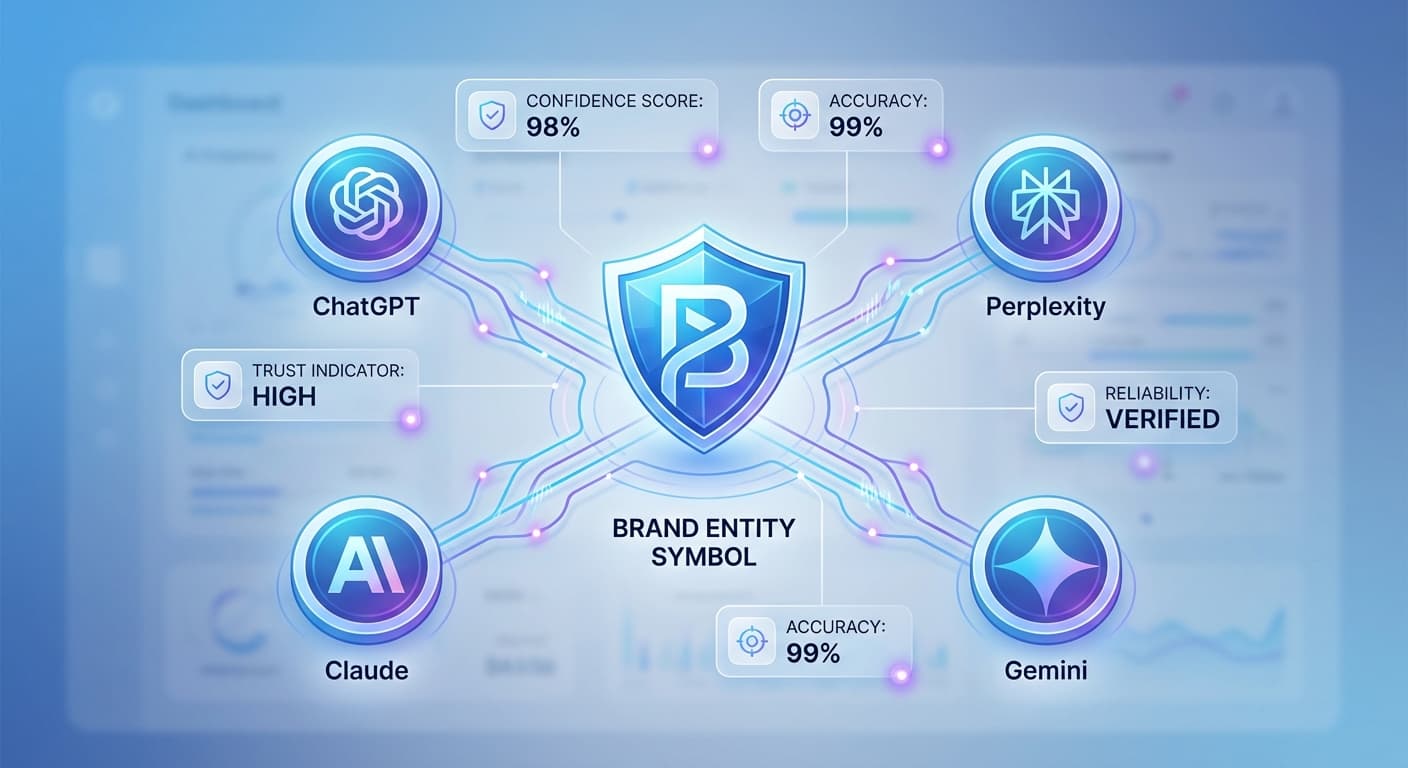
    While much of your off-site optimization happens beyond your direct control, Citescope Ai provides crucial insights into how AI agents perceive and process information about your brand. Our Citation Tracker monitors when your content gets referenced by ChatGPT, Perplexity, Claude, and Gemini, giving you visibility into which off-site signals are actually influencing AI recommendations.

    The platform's GEO Score analyzes your content across five key dimensions that AI agents value most: AI Interpretability, Semantic Richness, Conversational Relevance, Structure, and Authority. This helps you understand which content assets are most likely to be cited and shared by others, amplifying your off-site signals.

    Measuring Success in the Age of Invisible Commerce

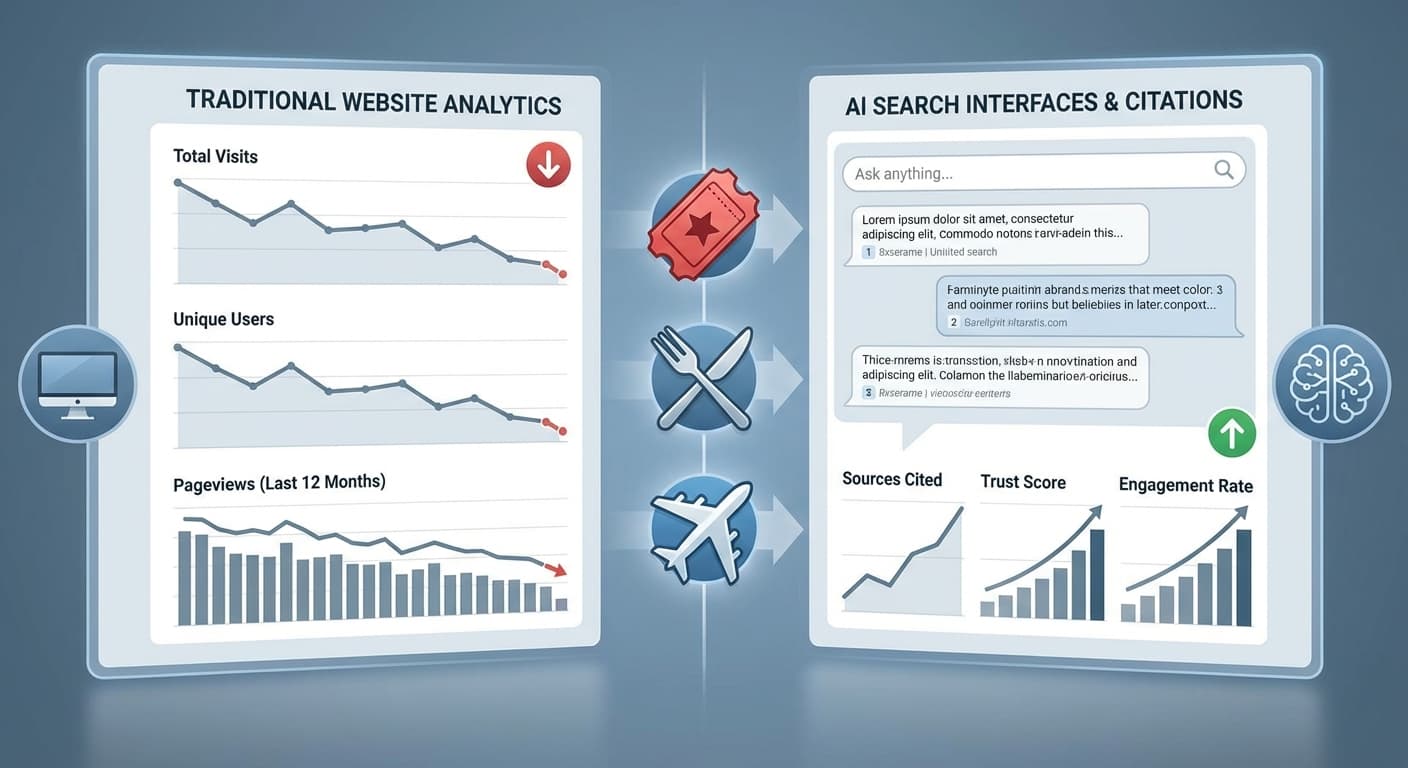
    Traditional metrics like website traffic and conversion rates only tell part of the story when 60% of decisions happen off-site. Focus on these alternative indicators:

    Brand Mention Quality


  • Frequency and context of brand mentions in AI responses

  • Sentiment and positioning relative to competitors

  • Inclusion in AI-generated recommendation lists
  • Off-Site Engagement Metrics


  • Review velocity and rating improvements

  • Social media mention growth and engagement

  • Third-party content performance and shares
  • Market Share Indicators


  • Voice share in AI recommendations within your category

  • Citation frequency in industry discussions

  • Partnership and collaboration opportunities
  • Building Your Off-Site Optimization Roadmap

    Immediate Actions (0-30 days)


  • Audit your current review presence across all major platforms

  • Identify key industry publications and communities where your audience gathers

  • Set up monitoring for brand mentions across AI platforms

  • Create a list of potential partners and collaboration opportunities
  • Short-term Goals (30-90 days)


  • Implement systematic review collection processes

  • Publish your first citation-worthy research or guide on a third-party platform

  • Establish relationships with industry influencers and publications

  • Optimize all business directory listings with complete, accurate information
  • Long-term Strategy (90+ days)


  • Develop ongoing content partnerships with authoritative sites

  • Build a network of brand advocates who naturally mention and recommend you

  • Establish thought leadership through speaking, writing, and community participation

  • Create feedback loops to continuously improve your off-site reputation
  • Ready to Optimize for AI Search?

    The shift to AI-mediated commerce isn't coming—it's here. While you can't directly control what AI agents say about your business, you can influence the signals they use to form their opinions. Citescope Ai helps you understand which of your content assets are most likely to be cited by AI agents and provides the tools to optimize your approach for maximum visibility in this new landscape. Start your free trial today and take the first step toward dominating AI search recommendations in your industry.
    AI Search OptimizationOff-Site SEOAgentic AIDigital CommerceCitation Building

    Track your AI visibility

    See how your content appears across ChatGPT, Perplexity, Claude, and more.

    Start for Free