How to Optimize Your Website for AI Agent Visitors: Beyond Traditional UX in 2026
How to Optimize Your Website for AI Agent Visitors: Beyond Traditional UX in 2026
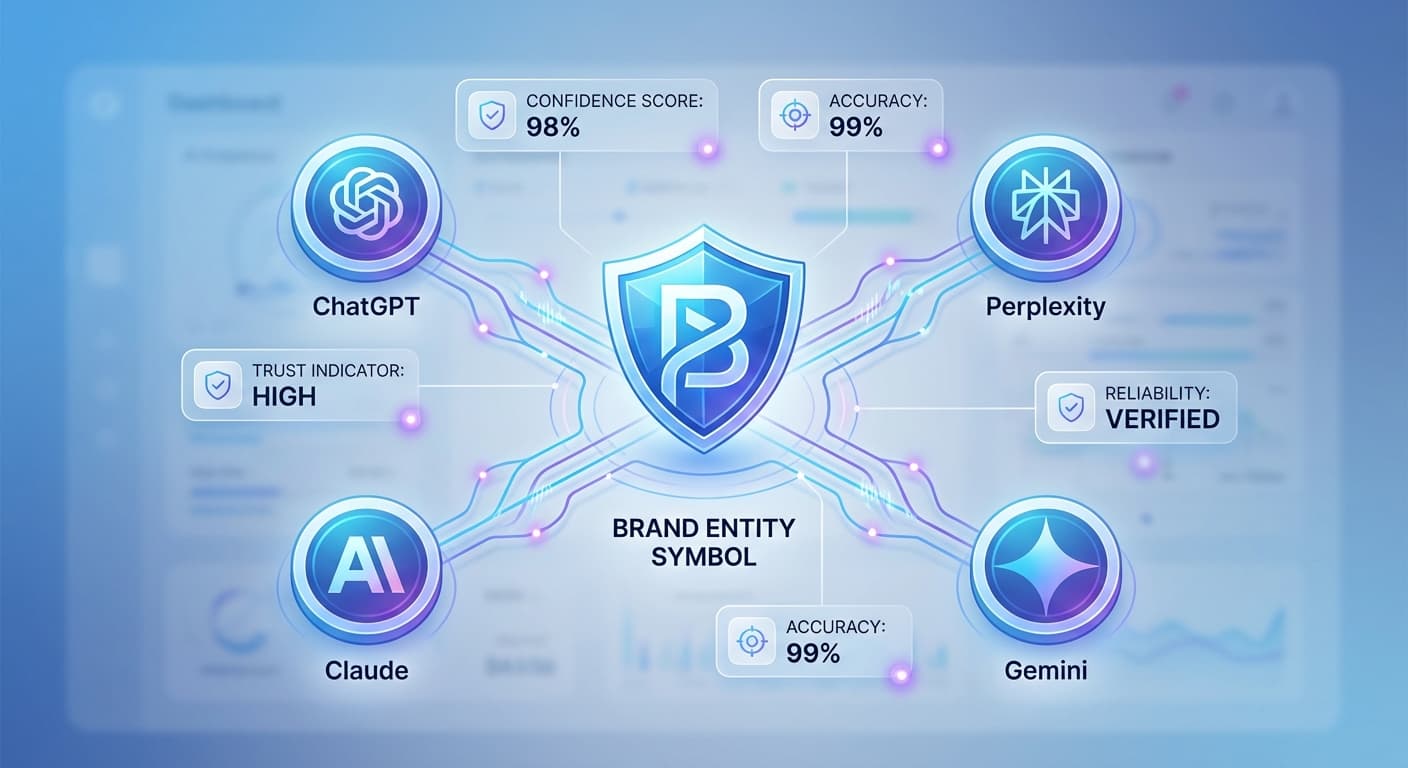
By 2026, over 40% of web traffic comes from non-human visitors—and we're not just talking about traditional search engine crawlers. AI agents from ChatGPT, Perplexity, Claude, and Gemini are now actively browsing websites to gather information for their responses, fundamentally changing how we need to think about website optimization.
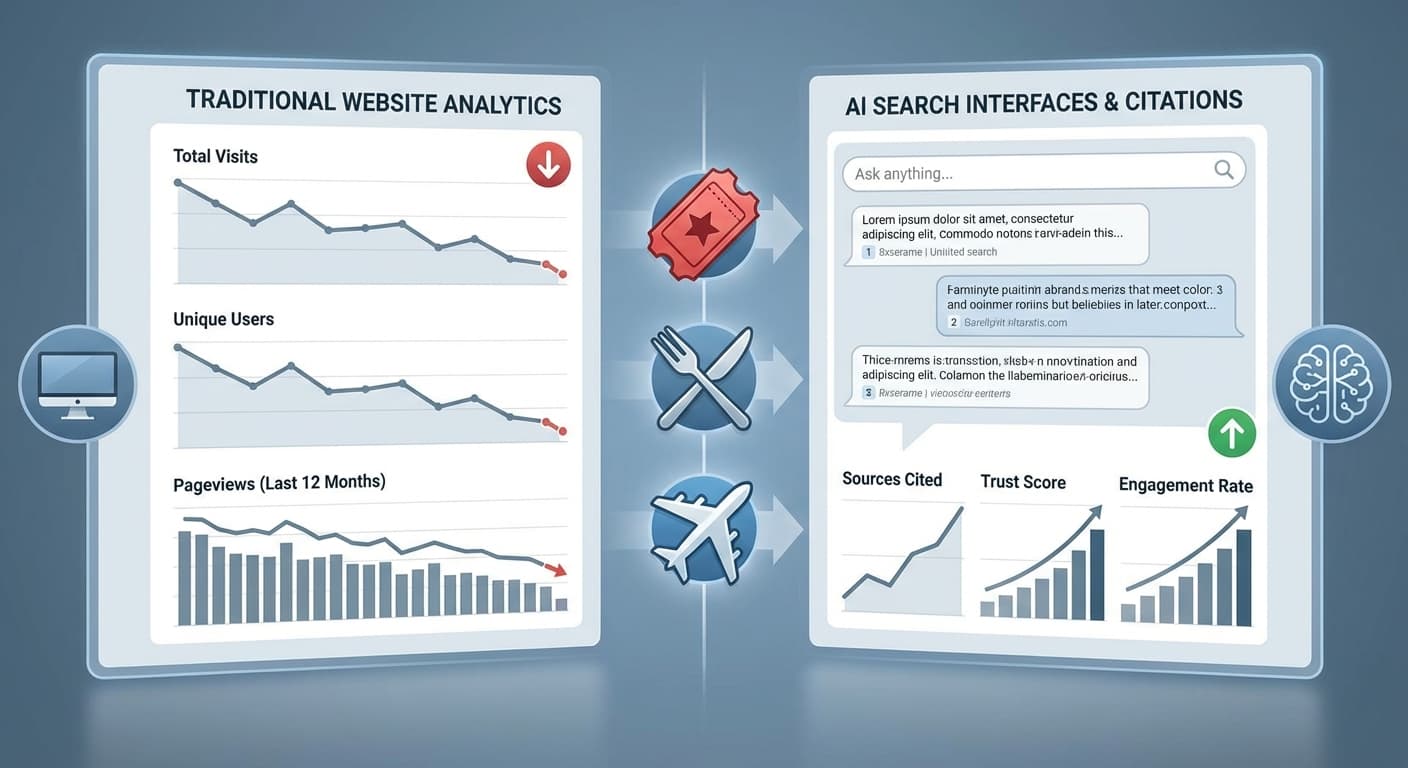
While your conversion-optimized landing pages with psychological triggers and persuasive copy work brilliantly for human visitors, they're essentially invisible to AI agents. These sophisticated systems are looking for something entirely different: structured, authoritative information they can quickly parse and cite.
The New Reality: AI Agents as Your Most Important Visitors
Traditional web optimization focused on human psychology—using scarcity, social proof, and emotional triggers to drive conversions. But AI agents don't experience FOMO or respond to countdown timers. They're scanning for:
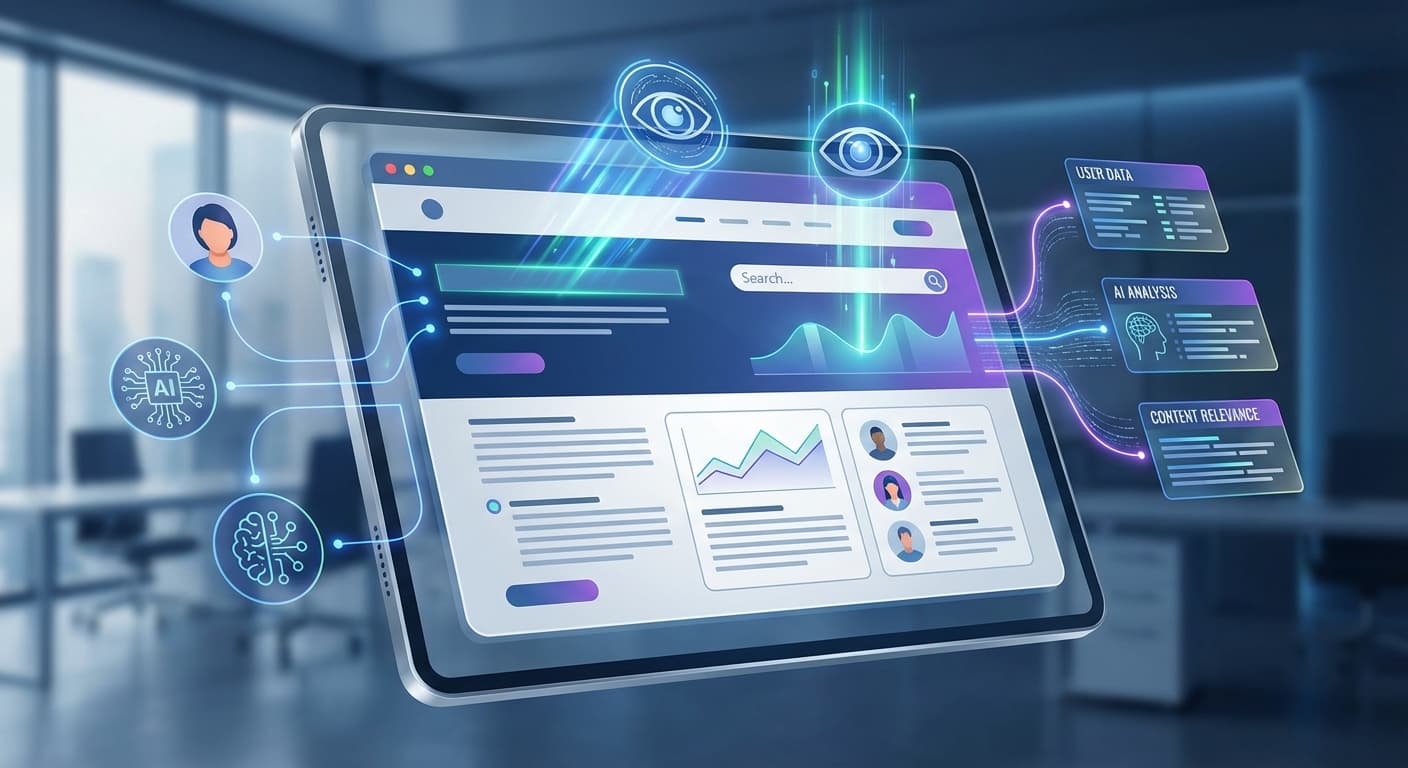
When an AI agent visits your website, it's not looking to buy anything—it's looking for information to include in its response to a user's query. If your content gets selected and cited, you gain exposure to potentially millions of users across AI platforms.
Why Traditional UX Fails with AI Visitors
The Persuasion Problem
Your carefully crafted sales copy that converts humans at 15% might be completely ignored by AI agents. Here's why:
Human-Optimized Content:
AI-Optimized Content:
The Structure Challenge
AI agents excel at processing well-structured content but struggle with creative layouts that work well for human users. Your beautiful hero section with overlapping elements might be completely missed by an AI trying to understand your page hierarchy.
Essential Strategies for AI Agent Optimization
1. Implement Semantic HTML Structure
AI agents rely heavily on HTML structure to understand content hierarchy and importance.
Best Practices:
<article>, <section>, <aside>)2. Create AI-Friendly Content Formats
Question-Answer Format:
Structure content to directly answer common questions in your field. AI agents love content that clearly states problems and provides specific solutions.
List-Based Information:
Example Transformation:
Before (Human-Optimized):
"Transform your business with our revolutionary approach that's helped thousands of companies achieve unprecedented growth!"
After (AI-Optimized):
"What is content marketing ROI? Content marketing generates 3x more leads than traditional advertising while costing 62% less, according to Content Marketing Institute's 2025 research."
3. Build Authority Through Citations and Sources
AI agents prioritize content from authoritative sources. Every claim should be:
Tools like Citescope Ai can help you identify which parts of your content lack proper authority signals and suggest improvements to boost your credibility with AI systems.
4. Optimize for Conversational Queries
With over 70% of Gen Z using AI for search, optimize for how people actually ask AI assistants questions:
Traditional SEO: "best email marketing software 2026"
AI Query: "What's the most effective email marketing platform for small businesses with under 1000 subscribers?"
Create content that directly answers these conversational, specific queries.
5. Implement Dual-Purpose Design
The key isn't abandoning human-focused design—it's creating pages that serve both audiences effectively.
Hybrid Approach:
Technical Implementation Guide
Schema Markup Essentials
Implement these schema types to help AI agents understand your content:
Content Structure Framework
Measuring AI Optimization Success
Traditional metrics like bounce rate and conversion rate don't tell the full story when AI agents are involved. Key metrics for 2026 include:
How Citescope Ai Helps Bridge the Gap
Optimizing for both human and AI visitors requires specialized tools and insights. Citescope Ai's GEO Score analyzes your content across five critical dimensions that matter to AI agents: AI Interpretability, Semantic Richness, Conversational Relevance, Structure, and Authority.
The platform's AI Rewriter can transform your existing human-optimized content into dual-purpose pages that maintain their conversion power while becoming visible to AI agents. Plus, with Citation Tracker, you can monitor when your optimized content starts getting cited by major AI platforms, proving ROI from your optimization efforts.
The Future of Web Optimization
As AI adoption continues growing—with ChatGPT alone reaching over 500 million weekly users in 2026—websites that fail to optimize for AI visitors risk becoming invisible to a massive and growing audience.
The businesses thriving in 2026 aren't choosing between human and AI optimization—they're mastering both. By creating content that satisfies AI agents' need for structured, authoritative information while maintaining the emotional resonance that converts humans, you can capture the best of both worlds.
Start by auditing your top-performing pages: Are they AI-readable? Do they include proper citations? Can an AI agent quickly extract key information? These questions will determine your visibility in the AI-driven search landscape of 2026 and beyond.
Ready to Optimize for AI Search?
Don't let your website become invisible to the fastest-growing segment of web traffic. Citescope Ai helps you identify exactly what AI agents see when they visit your site and provides one-click optimization to improve your visibility across ChatGPT, Perplexity, Claude, and Gemini. Start with 3 free optimizations today and see how your content performs in the AI search landscape.