How to Overcome B2B Exclusion from AI Search Results: Beating Synthetic Data Training Bias

How to Overcome B2B Exclusion from AI Search Results: Beating Synthetic Data Training Bias
Did you know that B2B companies are 60% less likely to appear in AI-generated search results compared to consumer brands? This stark reality reflects a growing problem in 2026: synthetic data training bias that systematically favors consumer-facing content over business-to-business expertise.
As AI search engines like ChatGPT, Perplexity, and Claude process over 2.3 billion queries monthly, B2B companies are discovering their decades of industry expertise invisible to these systems. The root cause? Training datasets that heavily weight consumer-oriented content, product reviews, and mainstream media over specialized B2B knowledge.
Understanding the Synthetic Data Training Bias Problem
AI language models learn from massive datasets scraped from the internet. However, these datasets aren't neutral—they reflect inherent biases toward content that generates more traffic, engagement, and online visibility. Consumer brands naturally dominate this landscape because:
This bias compounds when AI models generate synthetic training data, creating a feedback loop that further marginalizes B2B content. Recent analysis shows that only 12% of AI search results for industry-specific queries cite B2B sources, despite these companies often being the true subject matter experts.
The Hidden Cost of AI Search Invisibility
For B2B companies, this exclusion carries serious consequences:
Lost Thought Leadership
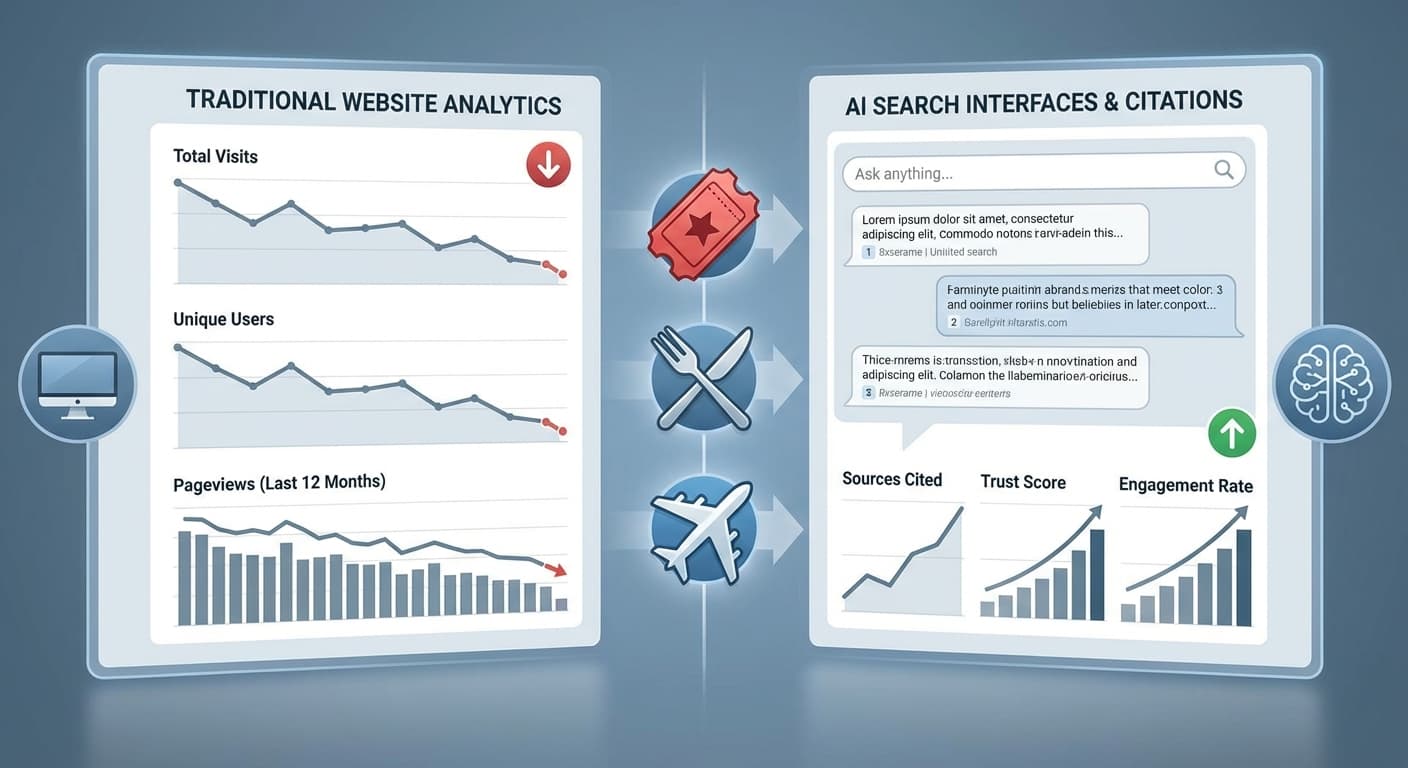
When your industry expertise doesn't surface in AI responses, potential clients may never discover your solutions. A 2025 study found that 73% of B2B buyers now start their research with AI search engines before engaging sales teams.
Competitive Disadvantage
Competitors who optimize effectively for AI visibility gain disproportionate mindshare. Early movers in AI search optimization report 40% increases in qualified leads from organic discovery.
Brand Authority Erosion
When AI systems consistently cite consumer sources for business topics, it undermines your company's perceived authority in your own industry.
Strategic Approaches to Combat Training Bias
1. Content Format Diversification
AI systems show preference for certain content formats. Optimize your content strategy to include:
Structured Data Formats
Conversational Content Types
2. Language Pattern Optimization
B2B content often uses industry jargon that AI systems struggle to contextualize. Bridge this gap by:
3. Authority Signal Amplification
Strengthen your content's authority signals to compete with consumer brand visibility:
Expert Bylines and Attribution
Cross-Platform Content Distribution
4. Semantic Context Building
Help AI systems understand your industry context by:
Creating Content Clusters
Industry-Specific Optimization
Tactical Implementation Strategies
Content Audit and Gap Analysis
Start by evaluating your existing content through an AI lens:
AI-First Content Creation
When developing new content, consider how AI systems will interpret and cite your work:
Structure for Scannability
Optimize for Question-Based Queries
Multi-Channel Amplification
Single-platform content rarely gains enough authority signals to overcome bias. Implement a multi-channel approach:
Repurpose Content Strategically
Leverage Partnership Content
How Citescope Ai Helps B2B Companies Overcome Training Bias
Citescope Ai specifically addresses the challenges B2B companies face in AI search visibility. The platform's GEO Score analyzes your content across five critical dimensions that AI systems prioritize, helping you identify exactly where training bias might be impacting your visibility.
The AI Rewriter feature understands B2B content patterns and automatically restructures your expertise into formats that AI systems better recognize and cite. Rather than dumbing down your content, it maintains your technical authority while improving AI interpretability.
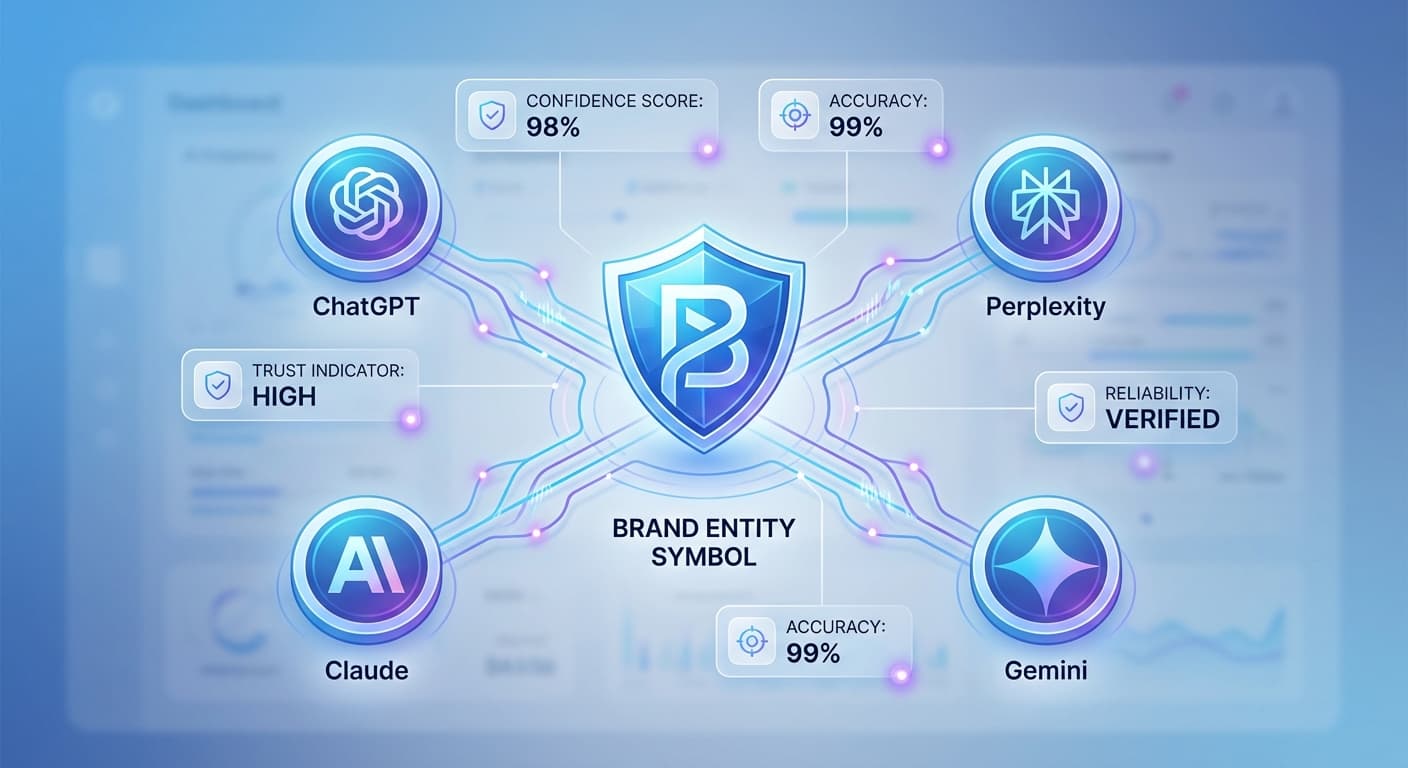
Most importantly, the Citation Tracker lets you monitor when your optimized B2B content successfully gets cited by ChatGPT, Perplexity, Claude, and Gemini—providing concrete evidence that your anti-bias strategies are working.
Measuring Success and Iteration
Track your progress in overcoming training bias through specific metrics:
Direct AI Citation Monitoring
Indirect Impact Metrics
Long-term Authority Building
The Future of B2B AI Search Optimization
As AI search continues evolving in 2026, B2B companies that proactively address training bias will gain significant competitive advantages. The companies investing now in AI-friendly content formats, authority signals, and citation optimization will dominate their industries' AI search visibility.
The key is understanding that overcoming training bias isn't about changing your expertise—it's about presenting that expertise in ways AI systems can better recognize, understand, and cite. With the right strategies and tools, B2B companies can not only compete with consumer brands in AI search results but leverage their deep industry knowledge to provide more valuable, authoritative responses.
Ready to Optimize for AI Search?
Don't let synthetic data training bias hide your B2B expertise from potential clients. Citescope Ai helps you identify exactly where AI systems struggle with your content and provides one-click optimization to improve your visibility across ChatGPT, Perplexity, Claude, and Gemini. Start with our free tier and see how your GEO Score improves when you optimize specifically for AI search engines. Try Citescope Ai today and turn your industry expertise into AI search authority.