How to Prepare for AI Search Query Fragmentation: When One Question Triggers 47 Different AI Sub-Searches
How to Prepare for AI Search Query Fragmentation: When One Question Triggers 47 Different AI Sub-Searches
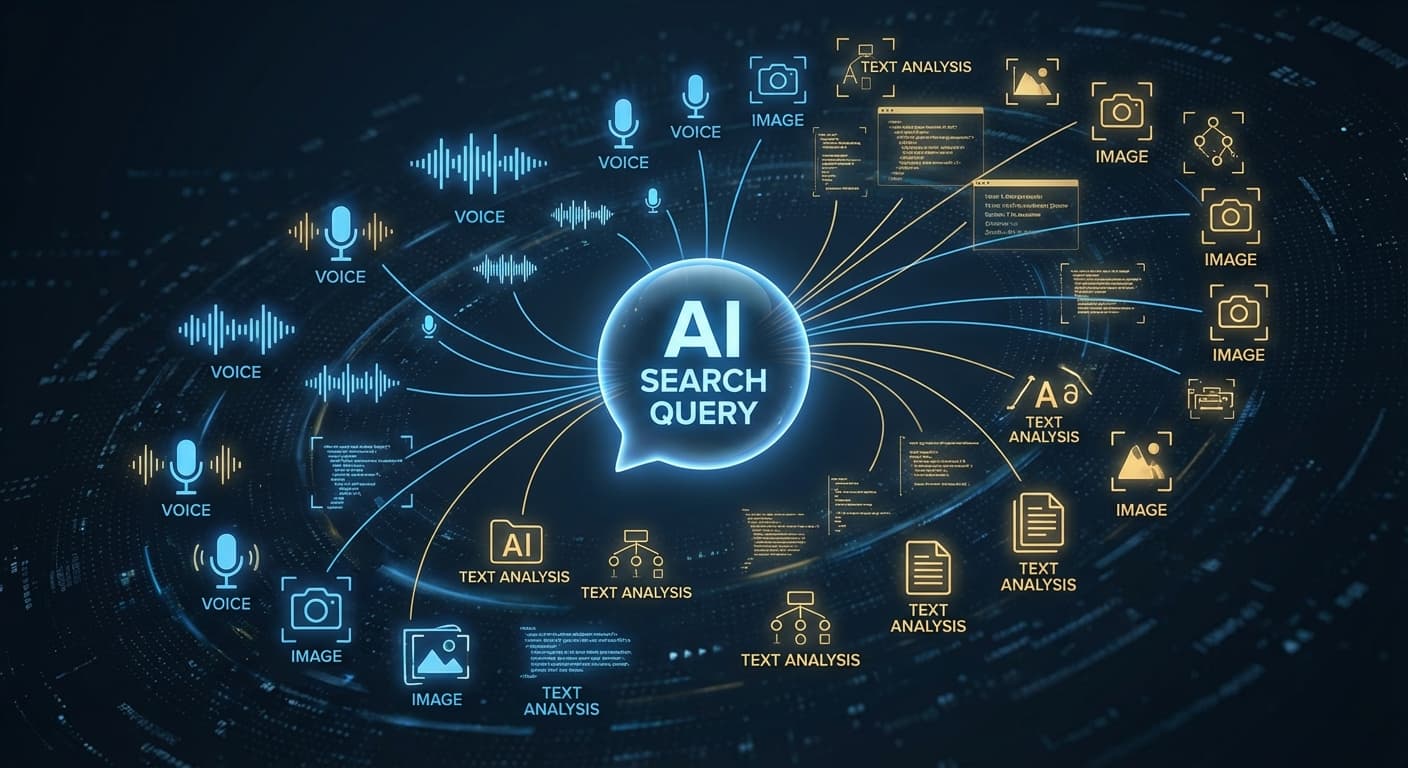
Imagine a user asks their AI assistant: "What's the best way to plan a sustainable vacation for my family next summer?" Behind the scenes, that single question explodes into 47 different sub-searches across voice queries, visual recognition, text analysis, location data, budget calculations, and sustainability metrics. This is the reality of AI search fragmentation in 2026—and it's completely reshaping how content needs to be structured and optimized.
Recent data from AI research labs shows that modern AI systems now generate an average of 23-67 sub-queries for every complex user question, pulling information from multiple modalities simultaneously. With over 2.1 billion people now regularly using AI search engines like ChatGPT, Perplexity, Claude, and Gemini, understanding this fragmentation isn't optional—it's critical for content survival.
Understanding AI Search Query Fragmentation
Query fragmentation occurs when AI systems break down complex questions into multiple specialized searches to provide comprehensive answers. Unlike traditional search engines that return a list of links, AI engines need to synthesize information from dozens of sources to generate coherent responses.
The Three Modalities Driving Fragmentation
Voice Search Fragmentation
Voice queries typically fragment into:
Visual Search Fragmentation
Image and video queries split into:
Text Search Fragmentation
Traditional text queries now branch into:
Why Query Fragmentation Matters for Content Creators
In 2026, 74% of AI search results pull information from 5-12 different sources to answer a single question. This means your content isn't just competing for one search result—it's potentially valuable for dozens of micro-searches within a larger query.
The Opportunity Hidden in Fragmentation
Each sub-search represents a citation opportunity. Instead of trying to rank for one broad keyword, you can now capture traffic from multiple related micro-queries. Content that addresses the "satellite questions" around main topics often receives more AI citations than content focused solely on primary keywords.
Strategies for Query Fragmentation Optimization
1. Map Your Content to Question Clusters
Start by identifying how your main topics fragment:
Example: A blog post about "email marketing best practices" should also address:
2. Structure Content for Micro-Queries
Use Granular Headings
Break content into specific, question-focused sections. Instead of "Marketing Strategies," use "How to Increase Email Open Rates by 40% in 30 Days."
Implement Answer Fragments
Create standalone paragraphs that fully answer specific sub-questions. Each section should work independently while contributing to the larger narrative.
Build Connected Context
Use transitional phrases and cross-references that help AI systems understand relationships between different sections of your content.
3. Optimize for Multi-Modal Queries
Voice Optimization
Visual Optimization
Text Optimization
4. Create Content Depth Maps
For each main topic, create supporting content that addresses:
This approach ensures you capture citations across the entire fragmentation spectrum.
Advanced Fragmentation Tactics
Entity-First Content Architecture
Structure content around entities (people, places, things, concepts) rather than just keywords. AI systems excel at understanding entity relationships, making this approach more likely to capture fragmented searches.
Anticipatory Content Bridges
Create content bridges that connect related queries users might ask in sequence. If someone asks about "social media ROI," they might next ask about "social media analytics tools" or "social media budget allocation."
Contextual Depth Layers
For each main point, provide:
Citescope Ai's GEO Score analysis can help identify which contextual layers your content might be missing, ensuring comprehensive coverage that captures more fragmented searches.
Measuring Fragmentation Success
Key Metrics to Track
Tools for Fragmentation Analysis
Monitor your fragmentation success by tracking:
Common Fragmentation Mistakes to Avoid
Over-Optimization for Primary Keywords
Focusing only on main keywords misses 60-80% of potential fragmented search opportunities.
Ignoring Question Variations
Users ask the same question dozens of different ways. Your content should address multiple phrasings naturally.
Shallow Topic Coverage
Surface-level content rarely captures fragmented searches that require deeper context or specific examples.
Missing Cross-Modal Signals
Content optimized only for text searches misses voice and visual fragmentation opportunities.
How Citescope Ai Helps with Query Fragmentation
Citescope Ai's AI Rewriter specifically addresses fragmentation by analyzing how your content performs across different query types and modalities. The platform's GEO Score examines your content's:
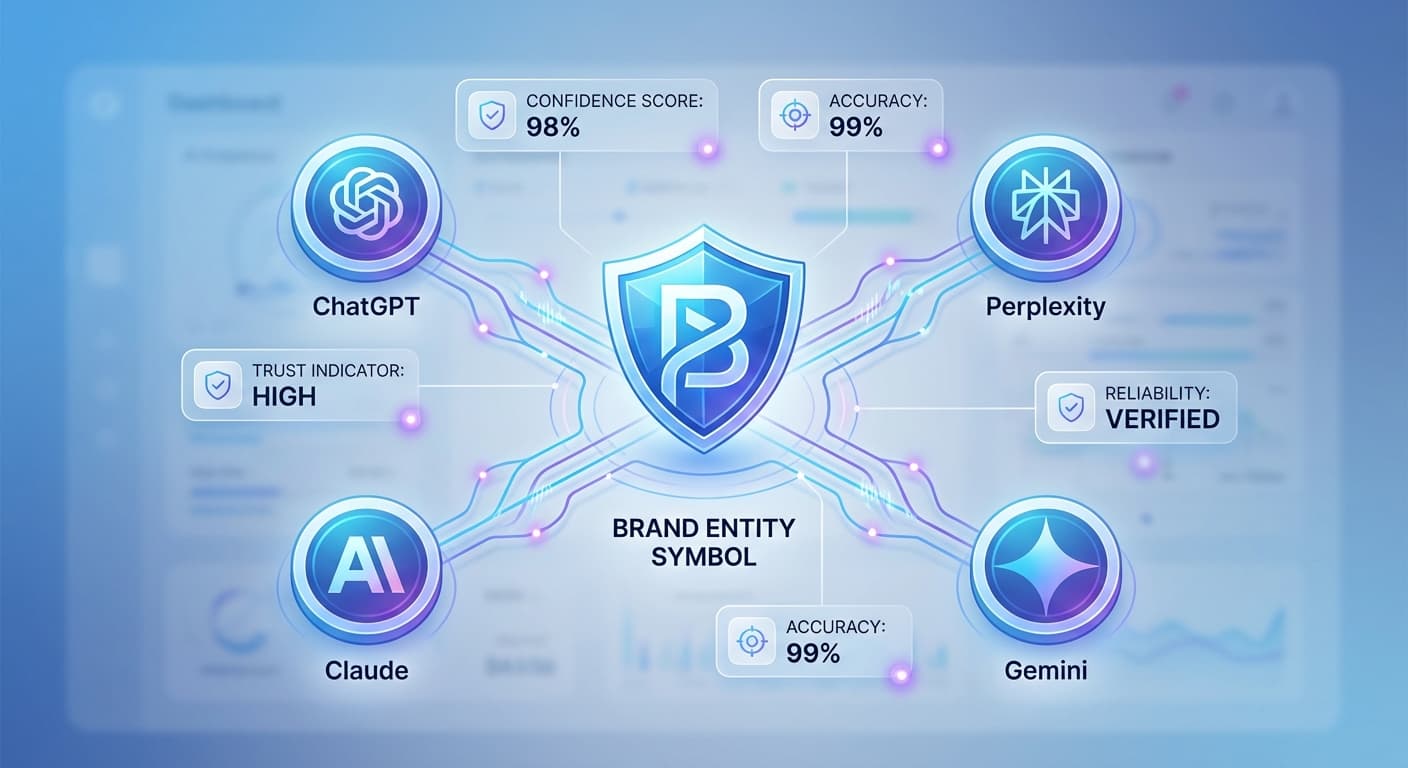
The Citation Tracker shows you exactly which fragments of your content get cited across ChatGPT, Perplexity, Claude, and Gemini, helping you identify successful fragmentation patterns and optimize accordingly.
Future of Query Fragmentation
As AI systems become more sophisticated, expect fragmentation to increase exponentially. By 2027, experts predict the average complex query will trigger 100+ sub-searches across an expanding array of modalities including spatial, temporal, and emotional context layers.
Content creators who master fragmentation optimization now will have a significant competitive advantage as this trend accelerates.
Ready to Optimize for AI Search?
Query fragmentation isn't just a technical curiosity—it's the future of how AI systems find and cite content. Start preparing your content for multi-modal fragmentation with Citescope Ai's comprehensive optimization tools. Get your free GEO Score analysis and see how well your content performs across fragmented search patterns. Try Citescope Ai free today and transform how AI engines discover and cite your expertise.