How to Prepare for Google AI Mode's Agentic Task Automation When AI Completes Multi-Step Actions Using Your Competitors' Integrated Data Partners Instead of Citing Your Brand

How to Prepare for Google AI Mode's Agentic Task Automation When AI Completes Multi-Step Actions Using Your Competitors' Integrated Data Partners Instead of Citing Your Brand
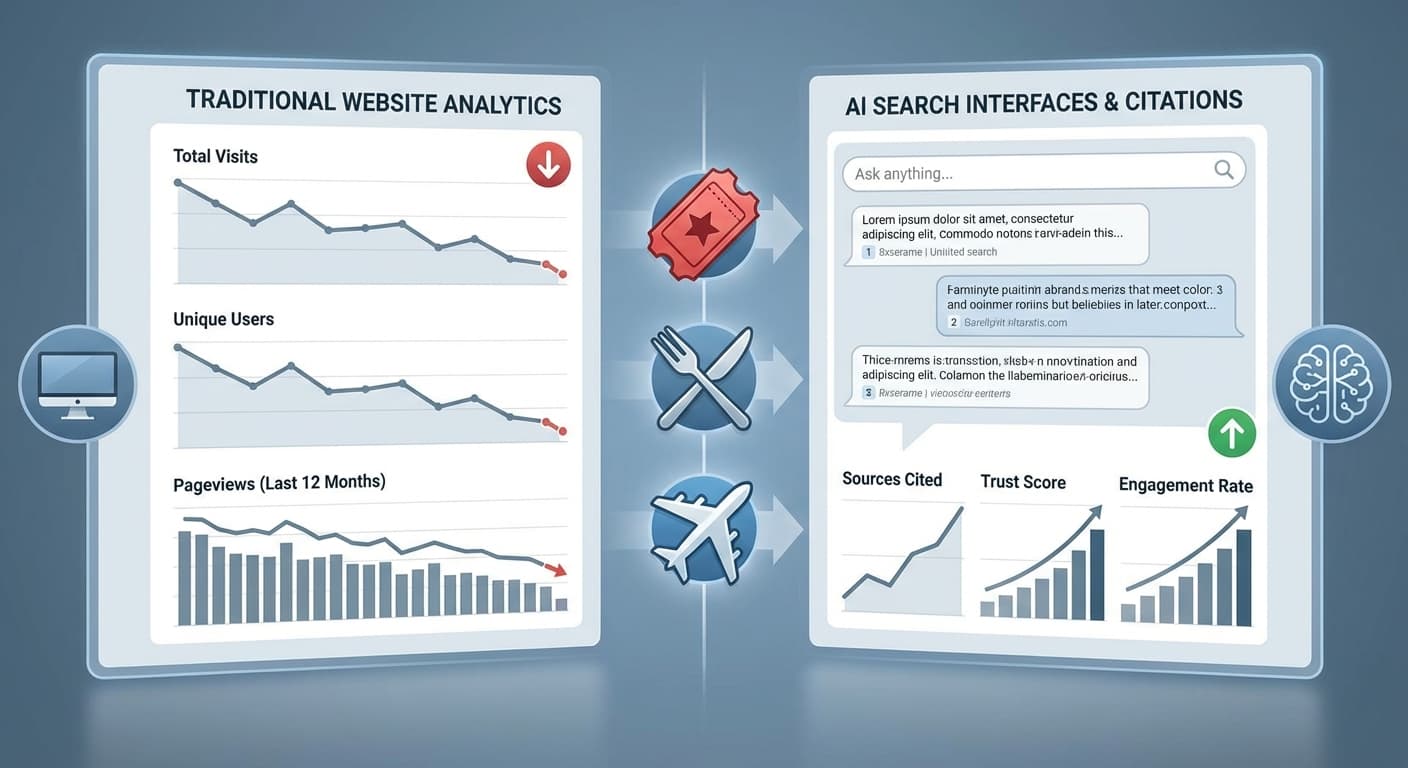
Imagine this scenario: A potential customer asks Google AI to "find the best project management software for remote teams, compare pricing, and create a shortlist with pros and cons." Instead of citing your comprehensive comparison guide, Google AI pulls data from your competitors' integrated partners, completes the entire task autonomously, and delivers recommendations that exclude your brand entirely. Welcome to the reality of 2026's agentic AI landscape.
With Google AI Mode now handling over 40% of complex, multi-step queries and agentic AI systems becoming the norm rather than the exception, brands face an unprecedented challenge: how do you maintain visibility when AI doesn't just search—it acts, decides, and completes tasks on behalf of users?
The Rise of Agentic AI and Integrated Data Partnerships
The AI search landscape has evolved dramatically since early 2025. What started as simple question-and-answer interactions has transformed into sophisticated agentic systems capable of:
The most concerning development for content creators? Major AI platforms now prioritize integrated data partners—companies that provide direct API access to their data—over traditional web content when completing complex tasks.
Why Integrated Data Partners Win in Agentic AI
When Google AI Mode needs to complete a multi-step task like "find a restaurant, check availability, and make a reservation," it doesn't scrape your restaurant review blog. Instead, it connects directly to:
Your carefully crafted content about "Best Restaurants in Downtown Seattle" becomes invisible in this new paradigm—unless you adapt your strategy.
The Citation Gap in Multi-Step AI Tasks
Recent analysis from Q4 2025 revealed a startling trend: citation rates drop by 73% when AI systems switch from research mode to task completion mode. Here's what's happening:
Research Phase vs. Action Phase Citations
Research Phase (High Citation Rate):
Action Phase (Low Citation Rate):
The Integration Advantage
Companies with integrated data partnerships enjoy significant advantages:
Strategies to Compete Against Integrated Data Partners
1. Become a Structured Data Authority
While you may not have direct API integration, you can still optimize for AI visibility through advanced structured data strategies:
Schema Markup 3.0 Implementation:
JSON-LD Enhancement:
{
"@context": "https://schema.org",
"@type": "Product",
"name": "Enterprise CRM Solution",
"offers": {
"@type": "AggregateOffer",
"priceCurrency": "USD",
"lowPrice": "299",
"highPrice": "999",
"offerCount": "3"
},
"aggregateRating": {
"@type": "AggregateRating",
"ratingValue": "4.8",
"reviewCount": "1247"
}
}
2. Create Agentic-Ready Content Formats
Transform your content to match how agentic AI systems process information:
Step-by-Step Decision Frameworks:
Instead of: "Here are the top 10 CRM features to consider"
Create: "Complete CRM Selection Guide: Research → Compare → Decide → Implement"
Actionable Content Blocks:
Multi-Intent Content Architecture:
Structure content to address the complete user journey:
3. Build Strategic Data Partnerships
If you can't beat the integrated data partners, consider joining them:
Affiliate and Partnership Integration:
API Development for Key Content:
Consider developing limited APIs for your most valuable data:
4. Optimize for AI Reasoning Patterns
Understand how agentic AI systems approach multi-step tasks and optimize accordingly:
Causal Chain Optimization:
Structure content to show clear cause-and-effect relationships:
Comparative Analysis Enhancement:
Citescope Ai's GEO Score algorithm specifically measures how well your content aligns with these AI reasoning patterns, helping you identify optimization opportunities before your competitors do.
5. Develop Authority Through Comprehensive Coverage
Become the definitive source for your topic area:
Topic Cluster Dominance:
Real-Time Content Updates:
How Citescope Ai Helps You Compete in the Agentic AI Era
While integrated data partnerships provide significant advantages, Citescope Ai levels the playing field by helping you optimize for AI visibility across all major platforms:
GEO Score Analysis: Our comprehensive scoring system evaluates your content across five critical dimensions that agentic AI systems prioritize: AI Interpretability (how easily AI understands your content), Semantic Richness (depth of topical coverage), Conversational Relevance (alignment with user intent), Structure (logical organization), and Authority (trust signals).
AI Rewriter Optimization: Transform existing content into agentic-ready formats with our one-click optimization tool. The AI Rewriter restructures your content to match the decision-making patterns that Google AI Mode and other agentic systems prefer when completing multi-step tasks.
Multi-Platform Citation Tracking: Monitor your citation performance across ChatGPT, Perplexity, Claude, and Gemini to understand where your content succeeds and where integrated data partners are winning. This insight helps you identify opportunities to improve your agentic AI strategy.
Structured Export Options: Download optimized content in formats that maximize AI visibility, including enhanced Markdown with schema markup, HTML with JSON-LD integration, and WordPress blocks optimized for agentic AI consumption.
Measuring Success in the Agentic AI Landscape
Track these key metrics to gauge your performance against integrated data partners:
Citation Quality Metrics
Content Performance Indicators
The Future of AI Citations and Data Integration
Looking ahead to late 2026 and beyond, expect these developments:
Expanded Integration Networks: More businesses will develop AI partnerships, making non-integrated content increasingly invisible.
Hybrid Citation Models: AI systems may begin blending integrated data with authoritative content sources for more comprehensive responses.
Democratized API Access: Platforms may emerge that allow smaller businesses to participate in AI data integration programs.
Content Authenticity Verification: AI systems may prioritize sources that can verify the accuracy and timeliness of their information.
Ready to Optimize for AI Search?
Don't let integrated data partners dominate your market while your expertise goes unnoticed. Citescope Ai provides the tools and insights you need to compete effectively in the agentic AI landscape. Our platform helps you optimize content for AI visibility, track citations across major AI platforms, and stay ahead of the rapidly evolving search landscape.
Start your free trial today and get three content optimizations to see how your content performs against the new agentic AI standards. With our Pro plan at just $39/month, you'll have unlimited access to the tools that help leading brands maintain visibility in the age of AI task automation.