How to Prepare Your Content for Autonomous AI Agents That Pre-Research Purchases Before Users Even Open Their Browser

How to Prepare Your Content for Autonomous AI Agents That Pre-Research Purchases Before Users Even Open Their Browser
By 2026, nearly 40% of purchase decisions begin with autonomous AI agents conducting preliminary research before consumers even realize they need a product. These sophisticated AI systems—integrated into smart homes, wearables, and personal assistants—are quietly analyzing user behavior, predicting needs, and building purchase recommendations in the background.
If your content isn't optimized for these pre-emptive AI researchers, you're missing out on a massive opportunity to influence purchase decisions at their earliest, most crucial stage.
The Rise of Predictive AI Commerce
Autonomous AI agents represent the next evolution of search behavior. Unlike traditional search where users actively query for information, these AI systems proactively research products and services based on:
According to recent studies, 65% of Gen Z consumers now expect AI to anticipate their needs, with autonomous agents handling 28% of all preliminary product research by late 2025.
Why Traditional SEO Falls Short for Autonomous Agents
Conventional SEO targets human searchers typing queries into browsers. Autonomous AI agents operate differently:
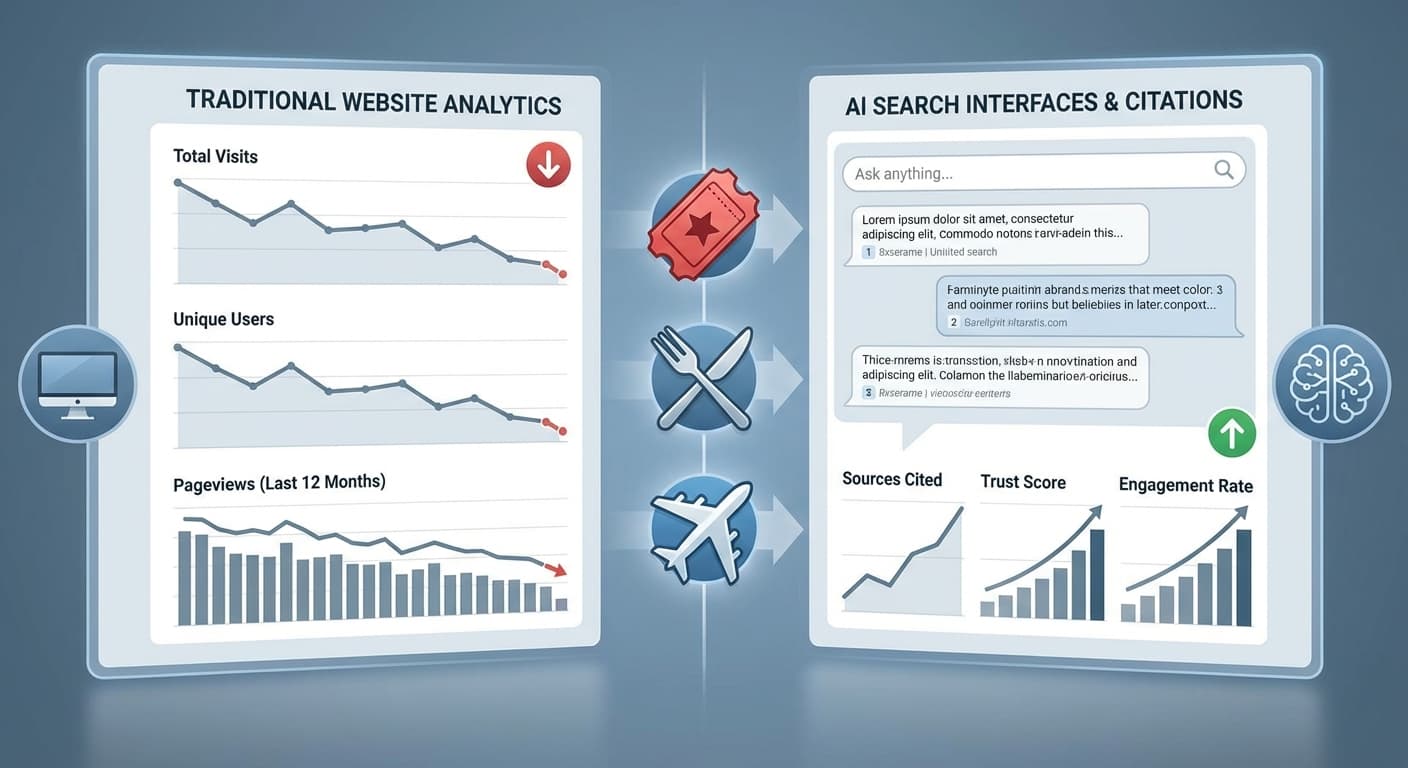
Human Search vs. Autonomous AI Research
Human Search Process:
Autonomous AI Research Process:
This means your content needs to be discoverable and interpretable by AI systems that aren't responding to specific user queries, but rather building comprehensive knowledge bases about products and services.
Key Strategies for Autonomous AI Agent Optimization
1. Create Comprehensive Product Ecosystems
Autonomous agents don't just research individual products—they map entire ecosystems. Structure your content to show:
Example: Instead of just describing a winter coat, explain its performance in various climates, what accessories pair with it, and when someone might need to replace their current coat.
2. Implement Predictive Context Signals
Help AI agents understand the circumstances that trigger purchase needs:
3. Structure Data for AI Consumption
#### Semantic Markup Beyond Schema
While Schema.org markup remains important, autonomous agents need richer context:
markdown
Product Duration: 2-3 years average lifespan
Replacement Indicators: Decreased battery life, cracking screen
Best Purchase Timing: 6 months before current device warranty expires
Usage Scenarios: Professional photography, travel documentation, social media
#### Create AI-Friendly Content Hierarchies
4. Build Authority Through Comprehensive Coverage
Autonomous agents favor content sources that demonstrate deep expertise across entire product categories. This means:
Citescope Ai's GEO Score helps identify gaps in your content coverage, ensuring autonomous agents view your content as a comprehensive, authoritative source worthy of citation.
5. Optimize for Conversational AI Integration
Since autonomous agents often present findings through conversational interfaces, your content should:
Content Formats That Autonomous Agents Prefer
Structured Comparisons
Create detailed comparison content that helps agents build recommendation matrices:
markdown
Smart Thermostat Comparison
| Feature | Model A | Model B | Model C |
|---------|---------|---------|----------|
| Learning Capability | Advanced | Basic | None |
| Energy Savings | 15-20% | 10-15% | 5-10% |
| Smart Home Integration | Full | Limited | Basic |
| Price Range | $200-250 | $150-180 | $80-120 |
Predictive Buying Guides
Develop content that anticipates purchase triggers:
Problem-Solution Mapping
Create clear connections between problems and solutions that agents can reference:
Monitoring Autonomous Agent Visibility
Tracking how autonomous agents discover and cite your content requires new approaches:
Key Metrics to Monitor
Testing Autonomous Agent Responses
Regularly test how different AI systems interpret your content:
How Citescope Ai Helps
Optimizing for autonomous AI agents requires sophisticated analysis of how AI systems interpret and utilize your content. Citescope Ai's platform provides the tools you need:
The Future of Autonomous AI Commerce
As autonomous agents become more sophisticated, they'll handle increasingly complex purchase decisions. Brands that optimize their content now will establish crucial visibility advantages as this technology matures.
Consider that by 2027, industry analysts predict autonomous agents will influence over 60% of consumer purchases in categories like home goods, personal care, and routine replenishments. The time to optimize is now, while the competitive landscape is still forming.
Ready to Optimize for AI Search?
Autonomous AI agents are reshaping how purchase decisions begin—often before consumers even realize they're shopping. Don't let your content get left behind in this fundamental shift toward predictive commerce.
Citescope Ai helps you optimize content for the AI systems that matter most. Our GEO Score analyzes exactly how well your content performs for autonomous agents, while our Citation Tracker shows you which AI systems are already discovering your brand.
Start your free trial today and get 3 content optimizations to see how your content performs in the age of autonomous AI agents. Your future customers are counting on it—even if they don't know it yet.