How to Protect Your Brand When AI Search Engines Pull Outdated or Incorrect Information from Third-Party Sources

How to Protect Your Brand When AI Search Engines Pull Outdated or Incorrect Information from Third-Party Sources
In January 2026, a major consumer electronics brand discovered ChatGPT was citing a three-year-old product recall notice whenever users asked about their flagship smartphone—despite the issue being resolved years ago. The outdated information was spreading across Perplexity, Claude, and Gemini, creating a brand reputation crisis that traditional SEO couldn't solve.
This isn't an isolated incident. With AI search now handling over 35% of all queries and ChatGPT serving 600 million weekly users, AI engines are increasingly pulling information from sources you don't control—old forum posts, outdated news articles, competitor content, and archived web pages that paint your brand in an unfavorable light.
The New Reality of AI-Powered Brand Reputation
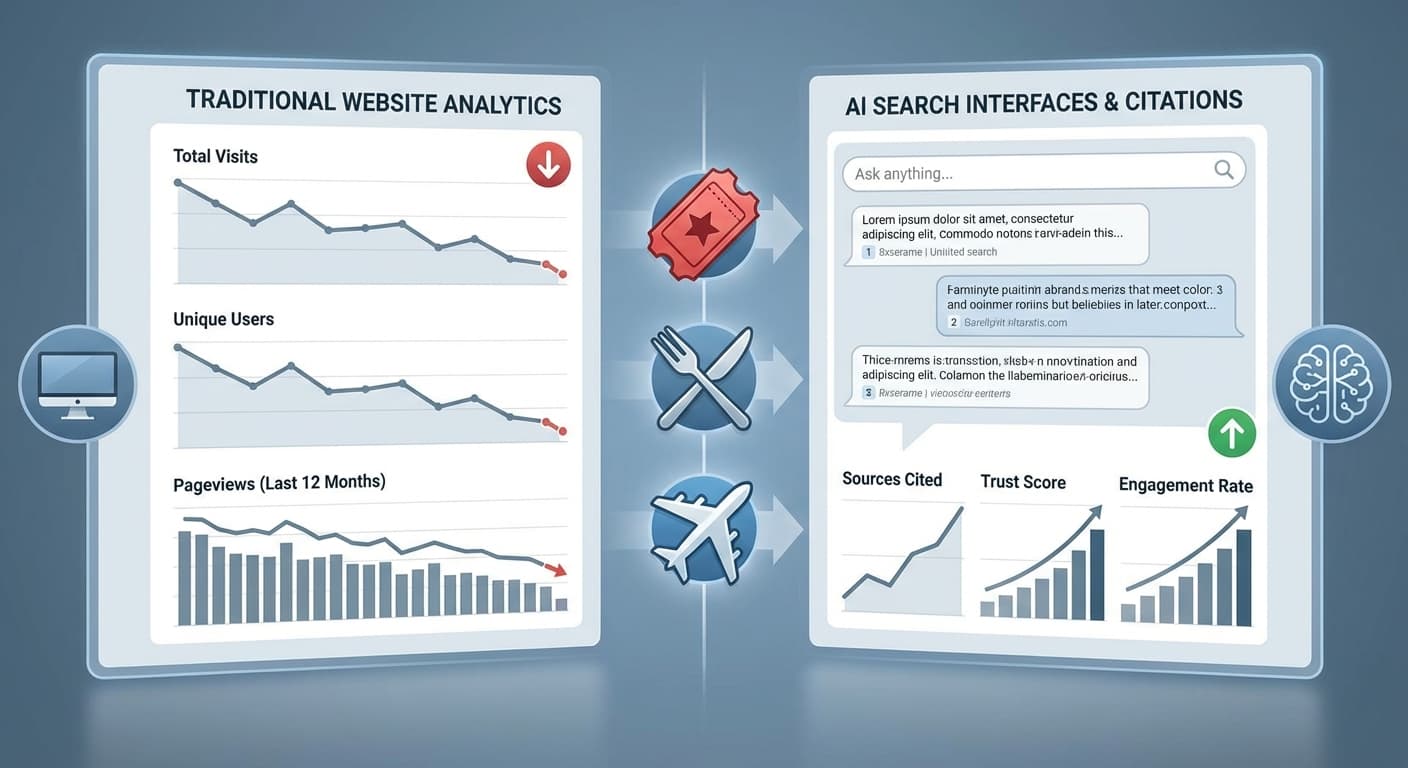
Traditional reputation management focused on Google search results you could influence through SEO. But AI search engines operate differently. They synthesize information from across the web to generate responses, often citing sources that rank nowhere near page one of Google.
Why This Problem is Getting Worse in 2026
Volume and Speed: AI engines process thousands of sources in milliseconds, making it impossible to manually monitor what information they're accessing about your brand.
Source Diversity: Unlike Google's algorithm that heavily weights authority and recency, AI engines often treat a 2019 blog post with the same credibility as your official 2026 press release.
Persistence of Old Information: Web archives, cached content, and dormant websites create a "long tail" of information that AI engines can access indefinitely.
User Trust: 73% of Gen Z users trust AI-generated responses more than traditional search results, making inaccurate AI citations particularly damaging.
Common Sources of Brand-Damaging Information
1. Archived News Articles and Press Coverage
News outlets rarely update old articles, creating permanent records of temporary issues. A 2022 data breach story might still appear in AI responses about your security practices in 2026.
2. Forum Discussions and Social Media
Customer complaints on Reddit, Twitter threads, and industry forums can persist in AI training data long after issues are resolved.
3. Competitor Content and Analysis
Competitor comparisons, analyst reports, and third-party reviews often contain outdated feature comparisons or pricing information.
4. Regulatory and Legal Documents
Court filings, regulatory notices, and compliance documents remain publicly accessible and can be cited out of context years later.
5. Employee-Generated Content
Former employee reviews on Glassdoor, LinkedIn posts, and industry conference presentations can shape AI perceptions of your company culture and capabilities.
Strategic Defense: Building Your Citation Fortress
Create Authoritative, Current Content
The best defense is overwhelming AI engines with accurate, recent, and authoritative information about your brand.
Publish Regular Updates:
Optimize for AI Consumption:
Establish Topic Authority
Become the definitive source for information about your industry, products, and company.
Content Pillars Strategy:
Multi-Platform Presence:
Proactive Monitoring and Response Strategies
Monitor AI Engine Citations
Track what AI engines are saying about your brand across different queries and contexts. Tools like Citescope Ai's Citation Tracker can help identify when and how your content—or third-party content about you—appears in AI responses.
Key Monitoring Areas:
Address Inaccuracies at the Source
Direct Outreach: Contact website owners, journalists, and platforms to update or remove inaccurate information.
Legal Remedies: For serious inaccuracies, consider formal requests under data protection laws or defamation statutes.
Counter-Narrative Strategy: Create comprehensive, well-optimized content that directly addresses and corrects common misconceptions.
Technical Tactics for AI Optimization
Schema Markup and Structured Data
Implement organization schema, product schema, and FAQ schema to help AI engines understand your official information.
Content Freshness Signals
Authority Building Through Backlinks
While AI engines don't use PageRank exactly like Google, they do consider source authority:
Crisis Response: When Bad Information Goes Viral in AI
Immediate Response Protocol
Long-term Reputation Recovery
Consistent, authoritative content creation over time can gradually shift AI perceptions. Focus on:
How Citescope Ai Helps Protect Your Brand
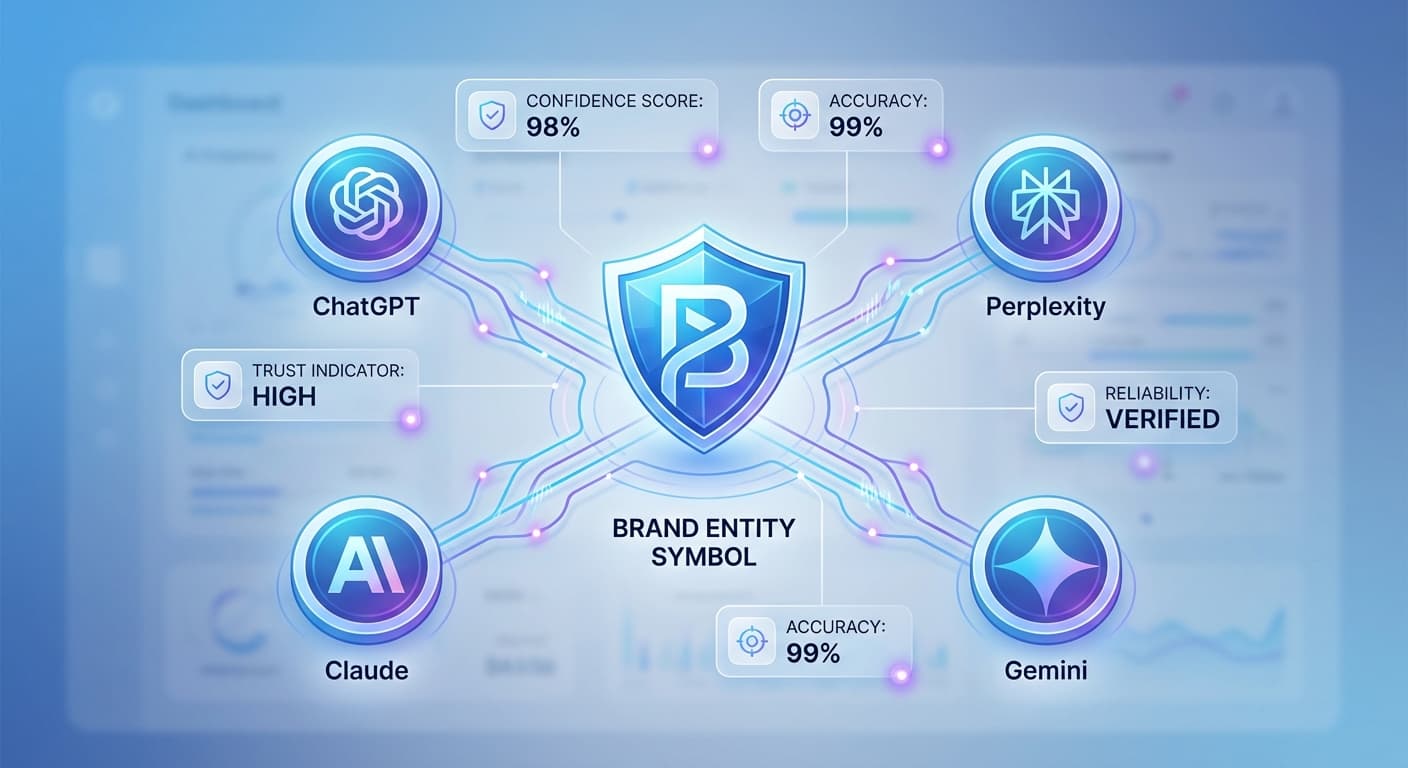
Citescope Ai's GEO Score analyzes your content across five key dimensions to ensure it's optimized for AI visibility, helping your authoritative information rank higher in AI responses than outdated third-party content. The Citation Tracker monitors when your content appears in AI search results, giving you real-time visibility into how your brand is being represented across ChatGPT, Perplexity, Claude, and Gemini.
The AI Rewriter tool can help you optimize crisis response content for maximum AI visibility, ensuring your corrections and clarifications get the citation priority they deserve. With multi-format export options, you can quickly deploy optimized content across all your digital properties to create a comprehensive defense against misinformation.
Building Long-Term Brand Resilience
Content Strategy Framework
Current State Documentation: Create comprehensive, current descriptions of your products, services, company history, and values.
Proactive Narrative Control: Anticipate potential areas of confusion or criticism and address them preemptively with clear, factual content.
Regular Content Audits: Quarterly reviews of your content portfolio to ensure information remains current and comprehensive.
Team Training and Processes
Train your marketing, PR, and customer service teams to think about AI citation implications:
The Future of AI-Powered Brand Management
As AI search continues to evolve, brand protection will increasingly require:
Real-time Monitoring: Automated systems that track brand mentions across AI engines and alert teams to potential issues.
Predictive Defense: AI-powered tools that identify potential reputation risks before they become widespread in AI responses.
Collaborative Correction: Industry-wide efforts to maintain accurate, current information that benefits all legitimate businesses.
Ready to Protect Your Brand in the Age of AI Search?
Don't let outdated or incorrect third-party information define your brand in AI search results. Citescope Ai helps you create authoritative, AI-optimized content that gets cited over unreliable sources. Our Citation Tracker monitors your brand's presence across all major AI engines, while our GEO Score ensures your content is structured for maximum AI visibility.
Start your free trial today and take control of your brand's AI search presence. With three free optimizations per month, you can begin building your citation fortress immediately—no credit card required.