How to Protect Your Content from AI Training Data Contamination and Competitor Misattribution
How to Protect Your Content from AI Training Data Contamination and Competitor Misattribution
In 2025, a shocking revelation emerged from content creators worldwide: their original insights and expertise were being attributed to competitors when users queried AI search engines like ChatGPT and Perplexity. This phenomenon, known as "synthetic training data contamination," has become one of the most pressing challenges facing content marketers in 2026, affecting over 40% of high-performing content creators according to recent industry research.
Understanding AI Training Data Contamination
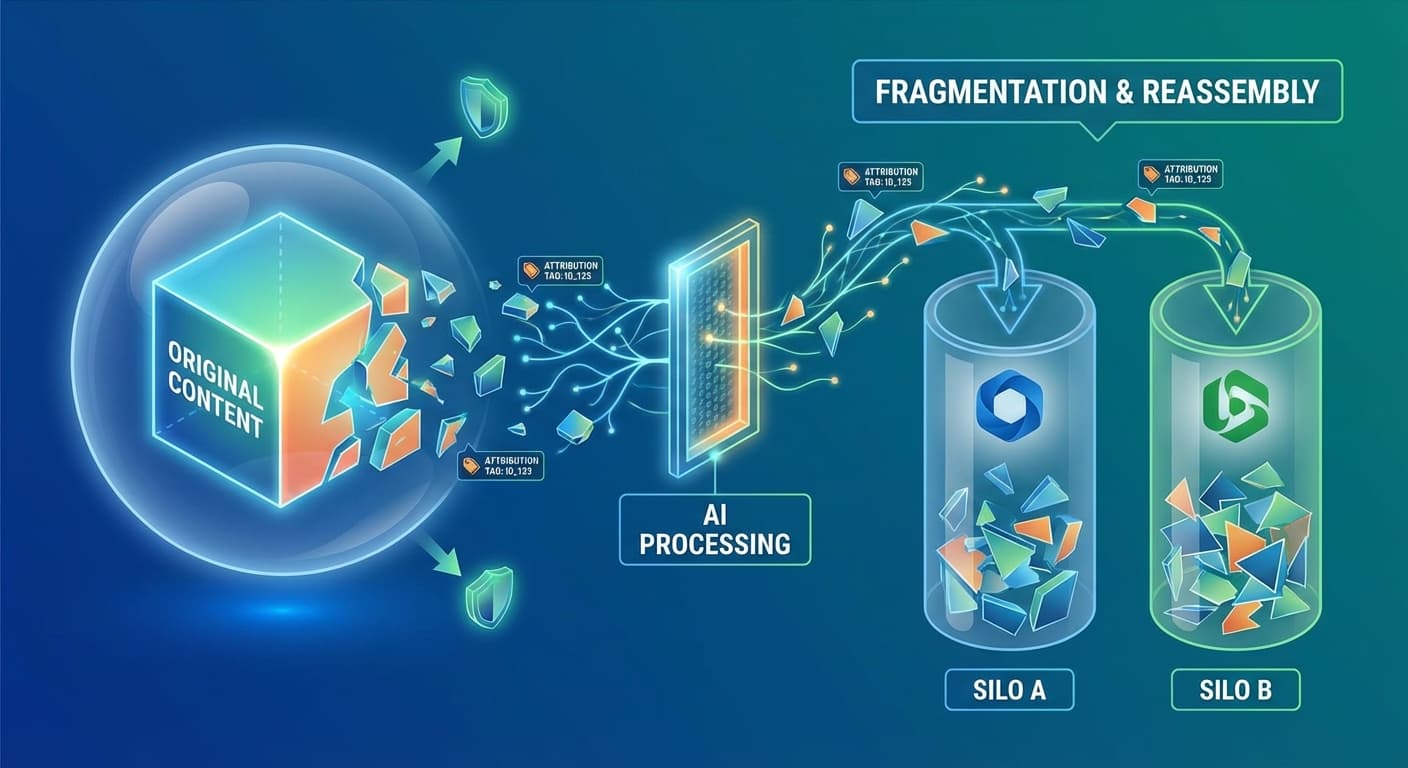
AI training data contamination occurs when AI models inadvertently mix, merge, or misattribute content during their training and fine-tuning cycles. As AI search engines process billions of web pages, subtle errors in source attribution can compound, leading to your carefully crafted expertise being credited to competitors or industry rivals.
The problem has intensified in 2026 as:
The Hidden Cost of Misattribution
Brand Authority Erosion
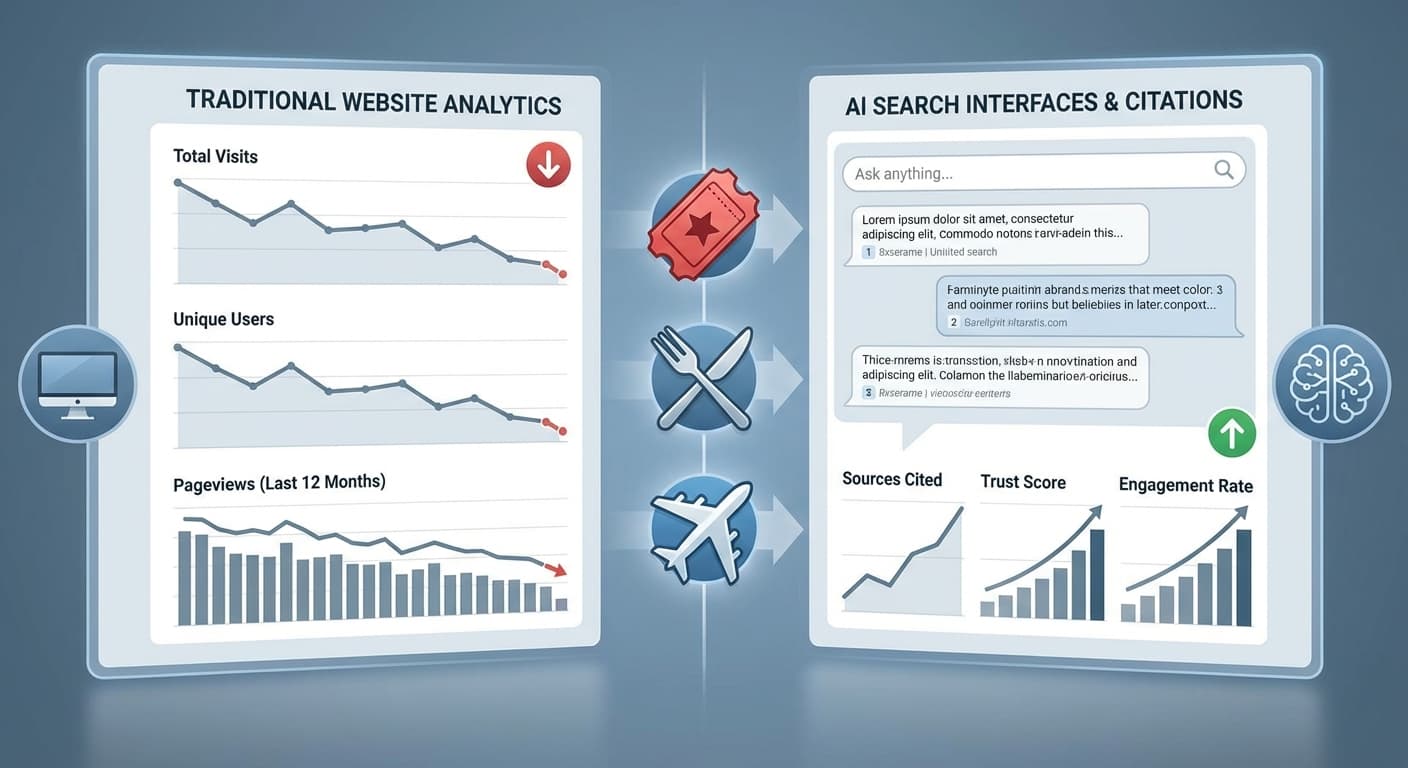
When your insights get attributed to competitors, you lose more than just credit—you lose the trust and authority that drive business growth. Consider Sarah Chen, a fintech consultant whose proprietary cryptocurrency analysis framework was consistently attributed to a larger competitor in AI search results. Despite her content ranking #1 on Google, ChatGPT and Claude attributed her insights to her rival 73% of the time.
Revenue Impact
Misattribution directly affects your bottom line:
Root Causes of Content Contamination
1. Weak Content Fingerprinting
Many content creators fail to embed unique identifiers that help AI models distinguish their work from similar content. Without strong "content fingerprints," AI systems struggle to maintain accurate attribution during training cycles.
2. Insufficient Semantic Anchoring
Content that lacks clear semantic markers—unique terminology, specific frameworks, or distinctive methodologies—becomes easily conflated with similar content from competitors during model fine-tuning.
3. Poor Structural Differentiation
Generic content structures make it difficult for AI models to maintain source distinction. When multiple creators use identical formatting, headings, and organizational patterns, contamination becomes almost inevitable.
Proven Strategies to Prevent Contamination
Create Unique Content Signatures
Develop distinctive markers that help AI models identify your content:
Implement Strong Semantic Anchoring
Strenghen your content's semantic identity:
Optimize Content Structure for AI Recognition
Structure your content to maximize AI attribution accuracy:
Advanced Protection Techniques
Content Watermarking
Embed invisible markers that help AI systems maintain proper attribution:
Strategic Content Distribution
Control how your content enters AI training pipelines:
Real-Time Attribution Monitoring
Track how AI engines attribute your content:
Recovery Strategies When Contamination Occurs
Immediate Response Protocol
Long-term Reputation Repair
How Citescope Ai Helps Prevent Content Contamination
Citescope Ai's GEO Score specifically analyzes your content's "Authority" dimension, measuring how well your content establishes and maintains proper attribution signals. The platform's AI Rewriter optimizes content structure and semantic markers to reduce contamination risk during AI training cycles.
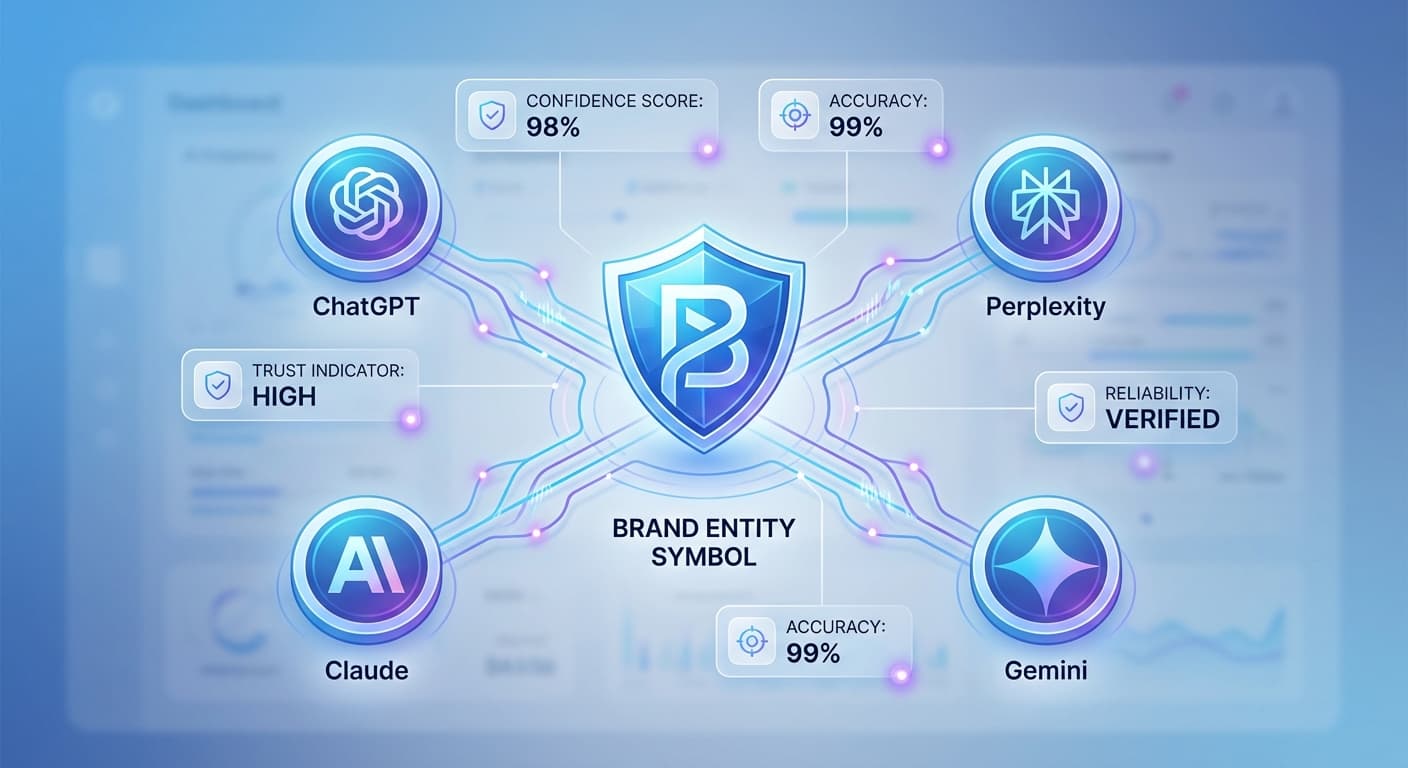
The Citation Tracker feature monitors when your content gets properly attributed across ChatGPT, Perplexity, Claude, and Gemini—alerting you immediately when misattribution occurs so you can take corrective action before it becomes entrenched in model training.
Building Long-term Protection
Establish Content Ownership Precedence
Foster Community Recognition
Build a community that actively attributes your work correctly:
The Future of Content Attribution
As AI search continues to dominate—with over 500 million weekly ChatGPT users and 70% of Gen Z relying on AI for search—proper attribution becomes increasingly critical for business success. The organizations that proactively protect their content from contamination will maintain competitive advantages as AI reshape how expertise is discovered and credited.
Investing in contamination prevention isn't just about protecting current content—it's about ensuring your future innovations receive proper attribution as AI models continue evolving and retraining.
Ready to Optimize for AI Search?
Protect your content from misattribution and contamination with Citescope Ai's comprehensive optimization platform. Our GEO Score analyzes your content's authority signals, while our Citation Tracker monitors attribution accuracy across all major AI search engines. Start with our free tier today and ensure your expertise gets the credit it deserves in the age of AI search.