How to Structure Content for ChatGPT Instant Checkout: The Complete Guide to Agentic Commerce Optimization

How to Structure Content for ChatGPT Instant Checkout: The Complete Guide to Agentic Commerce Optimization
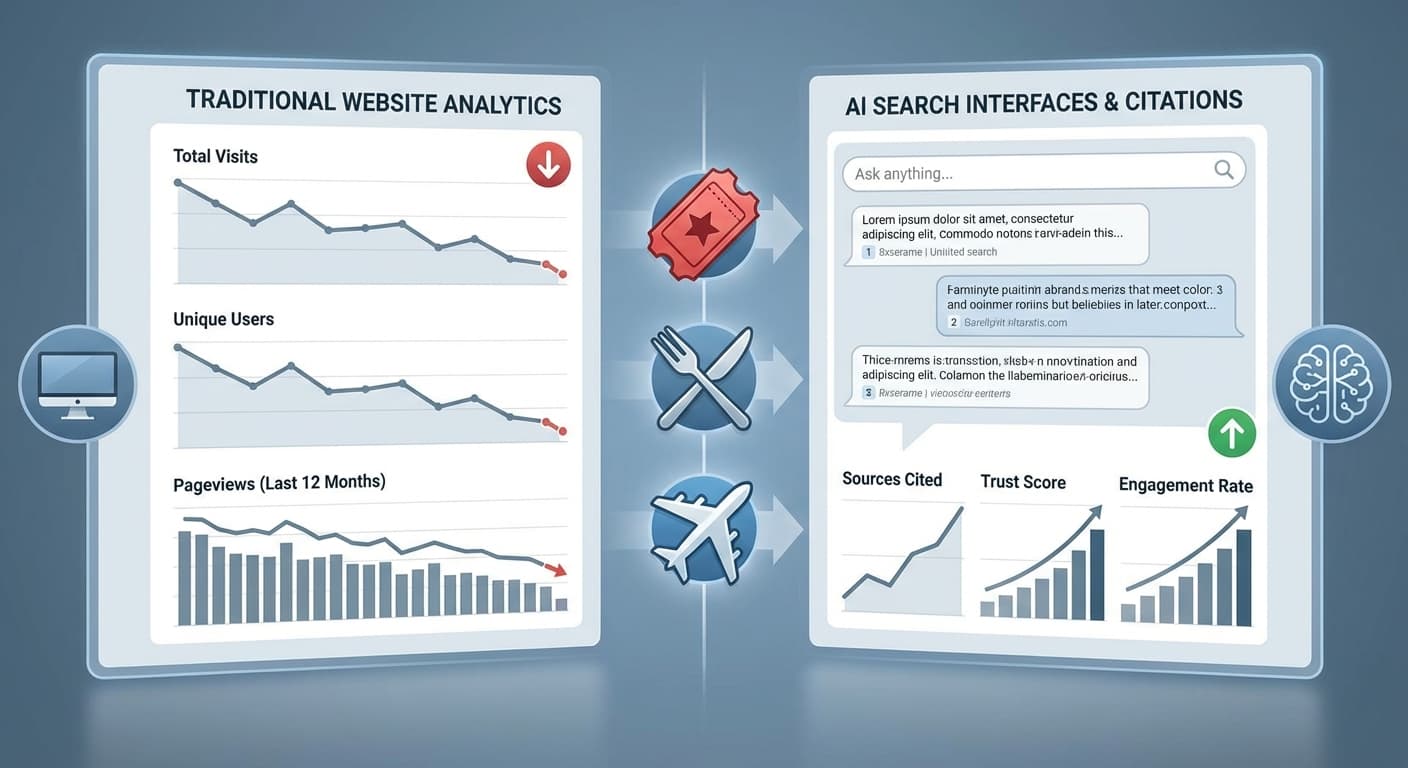
By mid-2025, ChatGPT's instant checkout feature had processed over $2.8 billion in transactions, fundamentally changing how consumers discover and purchase products. With agentic commerce now accounting for 15% of all e-commerce transactions in 2026, the question isn't whether AI will influence your sales—it's whether your products will be the ones getting recommended.
If your product descriptions, landing pages, and marketing content aren't optimized for ChatGPT's instant checkout algorithm, you're essentially invisible to the 500+ million users who now rely on AI for purchase decisions. Here's exactly how to structure your content to dominate agentic commerce.
Understanding ChatGPT Instant Checkout in 2026
ChatGPT's instant checkout feature has evolved far beyond simple product recommendations. The AI now analyzes thousands of data points—from product descriptions and reviews to pricing and availability—to make purchase decisions on behalf of users. When someone asks "Find me the best wireless earbuds under $200," ChatGPT doesn't just provide options; it can complete the entire transaction within the chat interface.
The key insight? ChatGPT prioritizes products with content that demonstrates clear value propositions, addresses common concerns, and provides structured information that's easy to parse and compare.
The Anatomy of Agentic Commerce-Ready Content
Product Descriptions That Convert AI Agents
Traditional product descriptions focus on features. Agentic commerce requires content that thinks like a customer advocate. Here's the structure that works:
1. Problem-Solution Hook (First 50 words)
2. Structured Benefits Section
✓ Key Benefit 1: [Specific outcome]
✓ Key Benefit 2: [Measurable improvement]
✓ Key Benefit 3: [Comparison advantage]
3. Technical Specifications in Context
Don't just list specs—explain what they mean:
4. Social Proof Integration
Landing Page Structure for AI Visibility
Your landing pages need to serve dual purposes: converting human visitors and providing clear signals to AI agents. Here's the optimal structure:
Above the Fold:
Product Details Section:
Social Proof Section:
Content Optimization Strategies for Agentic Commerce
1. Semantic Richness for AI Understanding
ChatGPT's instant checkout algorithm prioritizes content with rich semantic context. This means:
2. Conversational Query Optimization
Optimize for how people actually talk to AI:
Instead of: "Premium noise-canceling headphones with advanced features"
Use: "Best noise-canceling headphones for airplane travel that actually block crying babies and engine noise"
This approach mirrors natural conversation patterns and increases the likelihood of being surfaced for relevant queries.
3. Comparison and Context Content
ChatGPT excels at helping users make decisions by comparing options. Create content that facilitates this:
Technical Implementation for Maximum AI Visibility
Schema Markup for Agentic Commerce
Structured data helps ChatGPT understand your product information:
{
"@type": "Product",
"name": "Your Product Name",
"description": "Detailed description",
"offers": {
"@type": "Offer",
"price": "199.99",
"priceCurrency": "USD",
"availability": "InStock"
},
"aggregateRating": {
"@type": "AggregateRating",
"ratingValue": "4.8",
"reviewCount": "1247"
}
}
Content Hierarchy for AI Parsing
FAQ Optimization
Create comprehensive FAQs that address:
While optimizing content manually can be time-consuming, tools like Citescope Ai can analyze your existing product content and identify specific optimization opportunities for AI visibility. The platform's GEO Score evaluates how well your content performs across the five key dimensions that AI search engines prioritize.
Measuring Success in Agentic Commerce
Key Metrics to Track
AI Citation Metrics:
Conversion Metrics:
Competitive Metrics:
Content Performance Indicators
Advanced Strategies for Competitive Advantage
1. Category Creation
Don't just compete in existing categories—create new ones where you can dominate:
2. Problem-First Content Strategy
Structure content around problems rather than products:
3. Dynamic Content Optimization
Regularly update content based on:
Common Pitfalls to Avoid
Over-Optimization: Don't stuff keywords unnaturally—AI detects and penalizes this
Feature-First Thinking: Lead with benefits and outcomes, not technical specifications
Static Content: Regular updates signal freshness and relevance to AI algorithms
Ignoring Context: Provide enough context for AI to understand when your product is appropriate
How Citescope Ai Helps Optimize for Agentic Commerce
Navigating the complexities of agentic commerce optimization doesn't have to be overwhelming. Citescope Ai provides comprehensive tools designed specifically for this new era of AI-powered shopping:
GEO Score Analysis: Get detailed insights into how well your product content performs across AI Interpretability, Semantic Richness, Conversational Relevance, Structure, and Authority—the five key factors that determine AI citation success.
AI Rewriter Optimization: Transform existing product descriptions and landing pages with one-click optimization that restructures content specifically for ChatGPT's instant checkout algorithm.
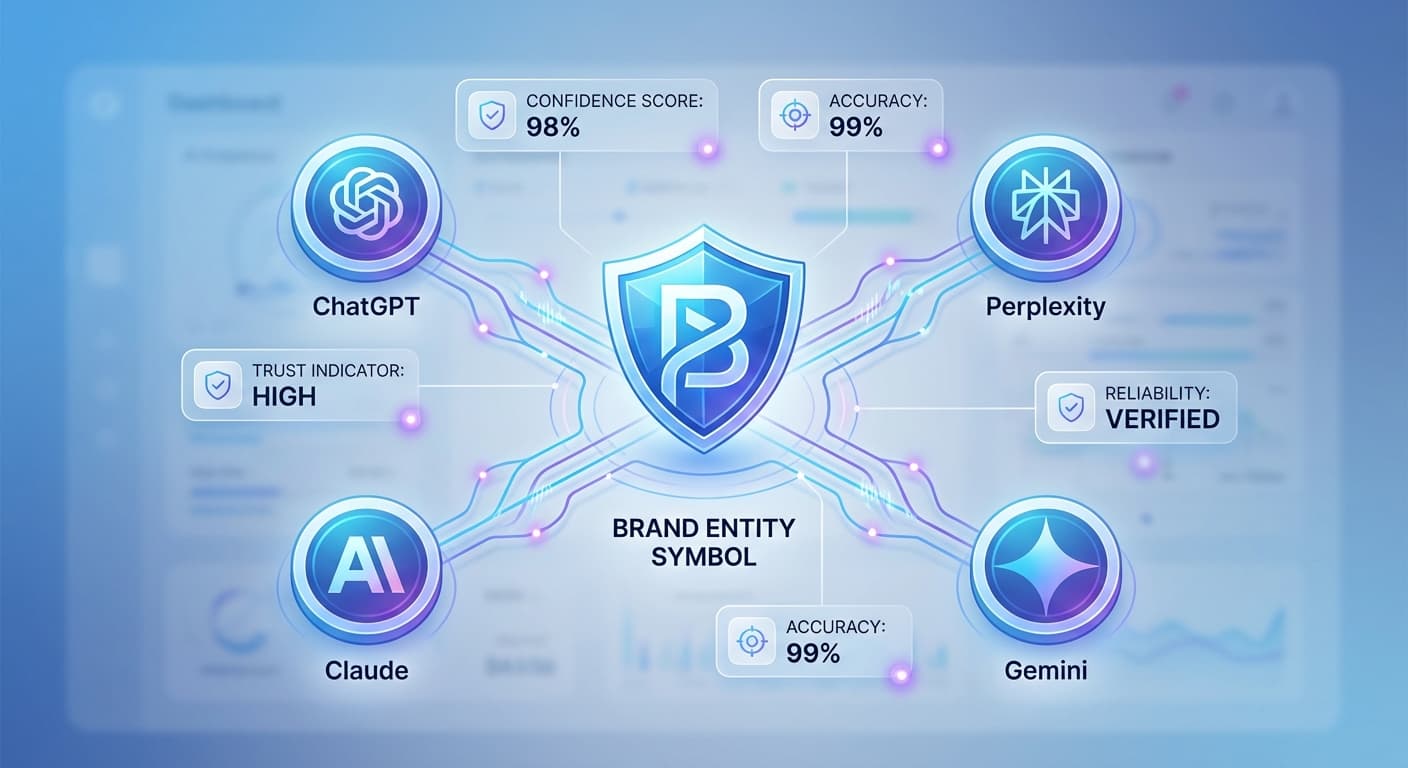
Citation Tracking: Monitor when your products get mentioned and recommended by ChatGPT, Perplexity, Claude, and Gemini, giving you real-time visibility into your agentic commerce performance.
Multi-Format Export: Download optimized content as Markdown, HTML, or WordPress blocks for seamless implementation across your e-commerce platform.
The platform's Pro plan ($39/month) includes advanced features like competitive analysis and trend tracking, while the Enterprise tier ($99/month) offers custom optimization strategies for high-volume product catalogs.
Ready to Optimize for AI Search?
Agentic commerce isn't the future—it's happening right now. Every day you delay optimization is another day your competitors gain an advantage in AI-powered purchase decisions. Citescope Ai makes it simple to analyze, optimize, and track your content's performance across all major AI search engines. Start with our free tier (3 optimizations per month) and see how AI-optimized content can transform your product visibility. Sign up today and ensure your products are the ones AI agents recommend to millions of potential customers.