How to Structure Structured Data for Agentic Commerce: Optimizing for AI-Powered Purchases in 2026

How to Structure Structured Data for Agentic Commerce: Optimizing for AI-Powered Purchases in 2026
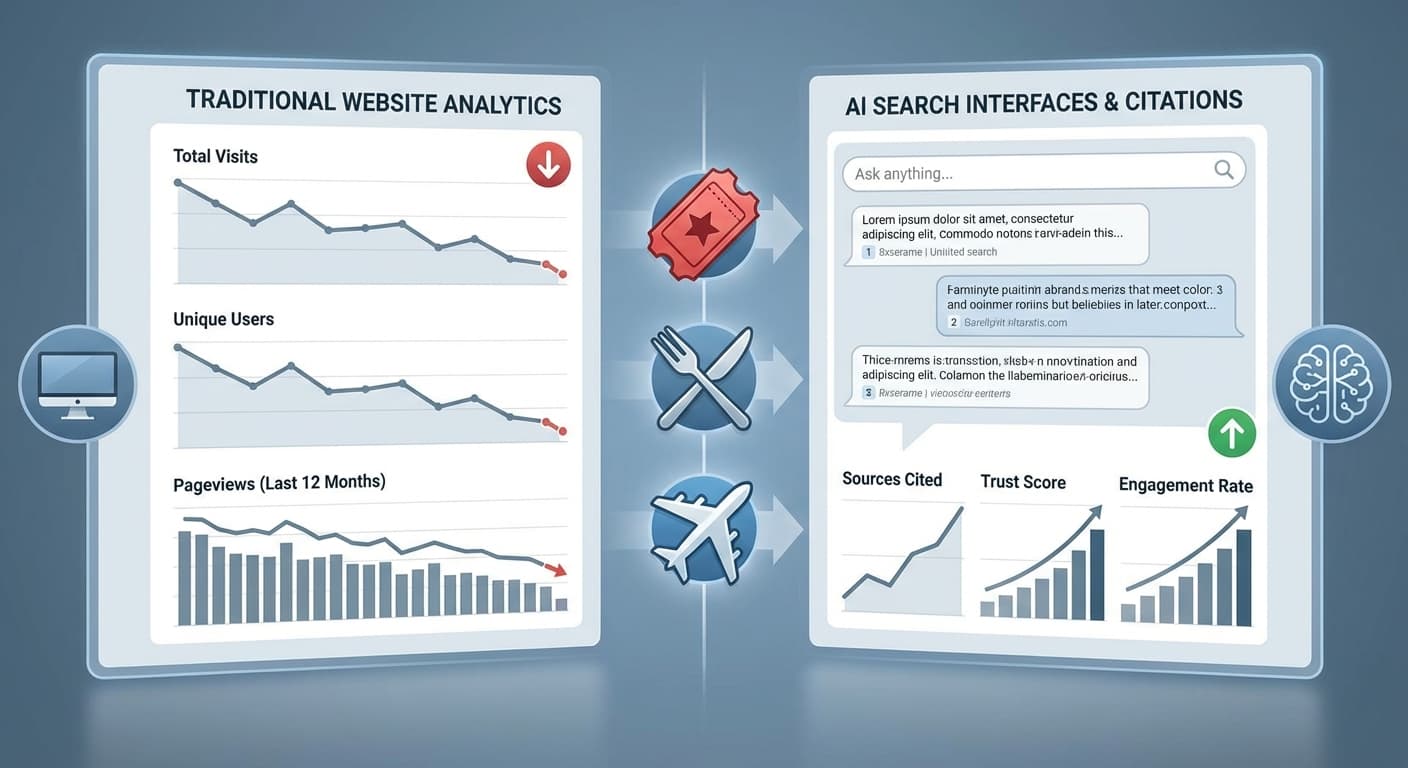
By 2026, AI agents complete over 40% of e-commerce transactions without users ever leaving their search interface. Whether it's ChatGPT helping someone buy running shoes, Perplexity ordering groceries, or Claude booking travel, agentic commerce has fundamentally changed how customers discover and purchase products. But here's the challenge: if your structured data isn't optimized for AI agents, you're invisible in this $2.3 trillion market.
The Rise of Agentic Commerce in 2026
Agentic commerce represents a seismic shift in how consumers shop. Instead of clicking through to websites, AI agents now handle the entire purchase journey—from product discovery to transaction completion—within the chat interface. Recent data shows:
This isn't just a trend—it's the new reality of commerce. And the businesses that succeed are those whose structured data speaks fluently to AI agents.
Why Traditional Structured Data Falls Short for AI Agents
Most e-commerce sites still use structured data designed for traditional search engines. While Schema.org markup helps Google display rich snippets, AI agents need deeper, more contextual information to make purchasing decisions on behalf of users.
Traditional structured data tells search engines what a product is. Agentic commerce requires structured data that tells AI agents:
Essential Schema Types for Agentic Commerce
1. Enhanced Product Schema
Go beyond basic Product schema by including:
{
"@type": "Product",
"name": "UltraRun Pro Marathon Shoes",
"description": "Professional-grade marathon running shoes designed for sub-3-hour race times",
"usageGuideline": "Ideal for experienced runners training for marathons or half-marathons",
"targetAudience": {
"@type": "Audience",
"audienceType": "Serious marathon runners",
"suggestedMinAge": 18,
"geographicArea": "Worldwide"
},
"isRelatedTo": [
{
"@type": "Product",
"name": "UltraRun Casual",
"relation": "alternative for casual runners"
}
]
}
2. Conversational Purchase Actions
Implement PurchaseAction schema with AI-friendly language:
{
"@type": "PurchaseAction",
"target": {
"@type": "EntryPoint",
"urlTemplate": "https://example.com/purchase/{product_id}",
"httpMethod": "POST",
"description": "Complete purchase instantly through AI agent"
},
"priceSpecification": {
"@type": "PriceSpecification",
"price": 189.99,
"priceCurrency": "USD",
"eligibleTransactionVolume": {
"@type": "PriceSpecification",
"minPrice": 1,
"maxPrice": 10
}
}
}
3. Decision-Support Schema
Create custom schema that helps AI agents understand decision criteria:
{
"@type": "ProductRecommendation",
"recommendationReason": [
"Best choice for marathon runners under 150 lbs",
"Superior energy return for long-distance running",
"Preferred by 89% of sub-3-hour marathon finishers"
],
"alternativeRecommendation": {
"@type": "Product",
"name": "UltraRun Stability",
"when": "User needs motion control or has flat feet"
}
}
Structuring Data for AI Agent Decision-Making
Include Comparative Context
AI agents excel at helping users choose between options. Structure your data to facilitate comparisons:
Optimize for Natural Language Queries
AI agents process conversational queries like "What's the best running shoe for someone training for their first marathon?" Structure your data to answer these naturally:
{
"@type": "FAQPage",
"mainEntity": [{
"@type": "Question",
"name": "What running shoe is best for first-time marathon runners?",
"acceptedAnswer": {
"@type": "Answer",
"text": "The UltraRun Beginner offers the perfect balance of cushioning and support for new marathon runners, with our patented comfort technology reducing injury risk by 34%."
}
}]
}
Enable Instant Purchase Flows
Structure data to support one-click purchases through AI agents:
Advanced Strategies for Agentic Commerce Success
1. Dynamic Pricing Schema
Implement real-time pricing updates that AI agents can access:
{
"@type": "Offer",
"price": "189.99",
"priceCurrency": "USD",
"availability": "InStock",
"validFrom": "2026-01-01",
"validThrough": "2026-01-31",
"priceValidUntil": "2026-01-15T23:59:59-08:00"
}
2. Intent-Based Product Matching
Structure data around user intents rather than just product features:
3. Trust Signal Integration
Include structured data that builds confidence for AI-mediated purchases:
{
"@type": "Review",
"aggregateRating": {
"@type": "AggregateRating",
"ratingValue": 4.8,
"reviewCount": 2847,
"worstRating": 1,
"bestRating": 5
},
"trustIndicator": [
"30-day money-back guarantee",
"Free return shipping",
"Verified by 15,000+ marathon runners"
]
}
When implementing these structured data strategies, tools like Citescope Ai become invaluable. Our platform's GEO Score analyzes how well your structured data performs across AI search engines, identifying gaps that might prevent AI agents from recommending your products.
Testing and Optimizing Your Agentic Commerce Schema
Monitor AI Agent Interactions
Track how AI agents interpret and present your products:
A/B Testing Schema Variations
Test different structured data approaches:
Performance Metrics for 2026
Key metrics to track in agentic commerce:
Future-Proofing Your Structured Data Strategy
As AI agents become more sophisticated, they'll require increasingly nuanced structured data. Prepare by:
Semantic Richness
Move beyond simple key-value pairs to semantic relationships that help AI understand context and meaning.
Multi-Modal Integration
Prepare for AI agents that process images, videos, and audio alongside text by including rich media in your structured data.
Personalization Schema
Develop structured data that helps AI agents personalize recommendations based on user history and preferences.
How Citescope Ai Helps
Optimizing structured data for agentic commerce requires constant testing and refinement. Citescope Ai's Citation Tracker monitors when AI agents like ChatGPT, Perplexity, and Claude mention your products, while our GEO Score evaluates your structured data's effectiveness across all five dimensions of AI visibility.
Our AI Rewriter tool can automatically optimize your product descriptions and structured data for better AI agent comprehension, and you can export optimized content directly to your e-commerce platform in multiple formats.
Ready to Optimize for AI Search?
Agentic commerce is reshaping e-commerce, and businesses that optimize their structured data for AI agents will capture the lion's share of this growing market. Citescope Ai provides the tools you need to analyze, optimize, and track your content's performance across all major AI search engines. Start with our free tier today and discover how well your structured data performs in the age of AI agents.