AI & SEO

How to Track Your Brand Visibility in AI Search Engines Like Perplexity and ChatGPT Beyond Google
January 22, 20267 min read
How to Track Your Brand Visibility in AI Search Engines Like Perplexity and ChatGPT Beyond Google

How to Track Your Brand Visibility in AI Search Engines Like Perplexity and ChatGPT Beyond Google

Did you know that AI-powered search engines now handle over 35% of all search queries in 2026? With ChatGPT processing 600+ million weekly queries and Perplexity reaching 100+ million monthly users, the search landscape has fundamentally shifted. Yet most brands are still measuring success exclusively through Google Analytics, missing critical visibility opportunities in AI search engines.

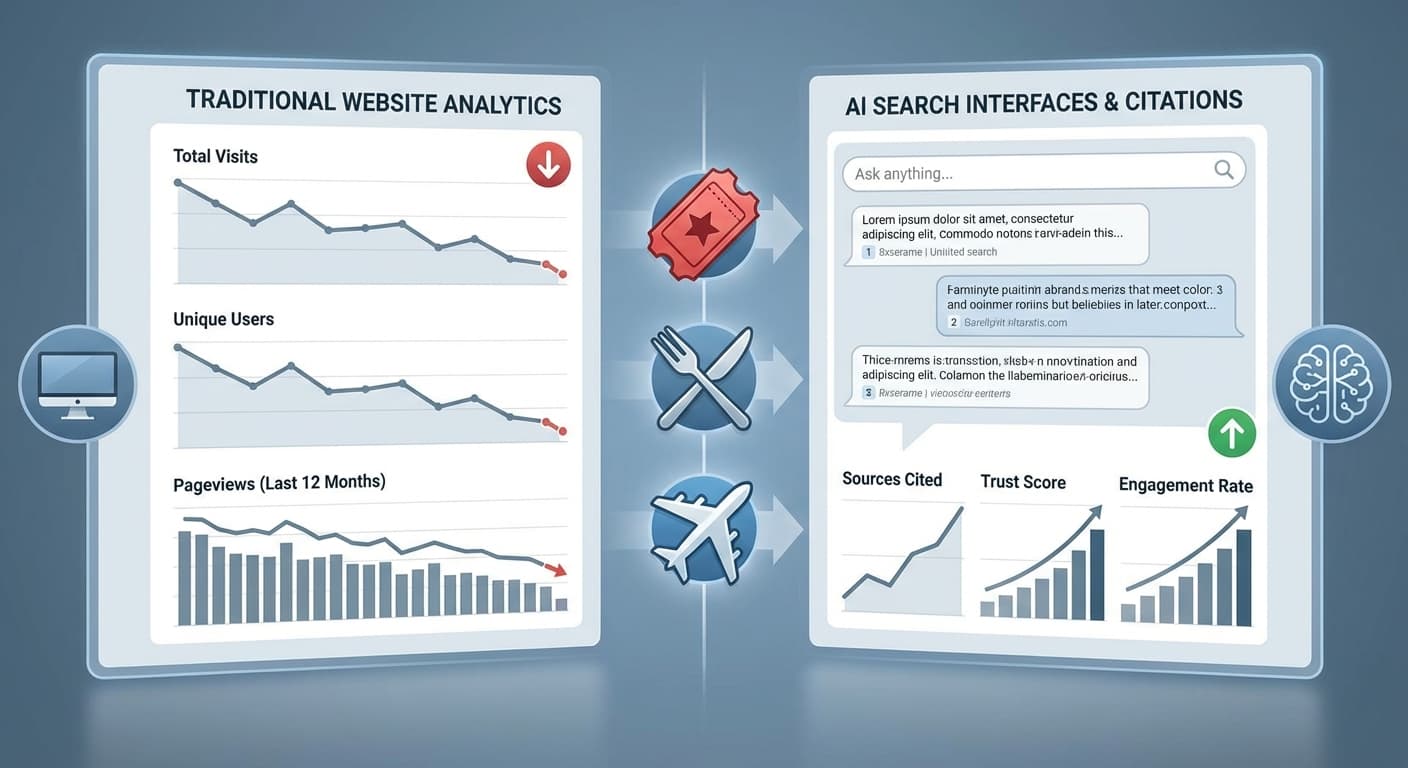
While traditional SEO metrics tell us how we rank on Google, they reveal nothing about whether ChatGPT mentions your brand when someone asks "What are the best project management tools?" or if Perplexity cites your research when answering industry-specific questions.

Why AI Search Visibility Matters More Than Ever

AI search engines don't just return links—they provide direct answers, often citing specific sources. When Claude recommends your product or ChatGPT references your research, you're getting the ultimate endorsement: being selected as a trusted source by AI.

Here's what makes AI search visibility different:

  • Direct citations replace click-through rates: Users get answers without visiting multiple websites

  • Authority matters more than keywords: AI engines prioritize credible, comprehensive sources

  • Conversational queries dominate: People ask complex questions in natural language

  • Real-time influence: AI responses can immediately impact purchasing decisions
  • A 2025 study by Search Intelligence found that 78% of B2B buyers now use AI search engines during their research phase, with 45% saying AI recommendations significantly influence their final decisions.

    The Challenge: Traditional Analytics Don't Track AI Citations

    Google Analytics shows website traffic, but it can't tell you:

  • When ChatGPT cites your content in response to user queries

  • How often Perplexity references your brand as an authoritative source

  • Which pieces of your content AI engines find most valuable

  • Whether your optimization efforts are improving AI visibility
  • This blind spot means you could be missing significant brand exposure and influence opportunities.

    Manual Methods to Track AI Search Visibility

    1. Direct Query Testing

    Regularly test relevant queries across different AI platforms:

    Industry-specific queries:

  • "Best [your industry] companies in 2026"

  • "How to [solve problem your product addresses]"

  • "What are experts saying about [your niche topic]"
  • Brand monitoring queries:

  • "[Your company name] reviews"

  • "Alternatives to [your product]"

  • "[Your industry] thought leaders"
  • Document findings in a spreadsheet:

  • Date tested

  • AI platform (ChatGPT, Perplexity, Claude, Gemini)

  • Query used

  • Whether your brand was mentioned

  • Position/context of mention

  • Competing brands mentioned
  • 2. Citation Tracking Through Content Audit

    Create a systematic approach to monitor your most important content:

  • Identify key content pieces: Your most authoritative articles, research reports, and resource pages

  • Test monthly: Input relevant queries and see if these pieces get cited

  • Track citation context: Note whether you're cited as a primary source, supporting evidence, or alternative option

  • Monitor competitors: See which competitors appear in similar queries
  • 3. Social Listening Integration

    Social media monitoring tools can capture some AI-generated content mentions:

  • Set up alerts for your brand name + "according to AI" or "ChatGPT says"

  • Monitor screenshots of AI responses shared on social platforms

  • Track discussions about AI recommendations in your industry
  • Advanced Tracking Strategies

    Set Up Branded Query Monitoring

    Create a comprehensive list of queries where your brand should appear:

    Direct brand queries:

  • "[Brand name] features"

  • "[Brand name] pricing"

  • "[Brand name] vs [competitor]"
  • Category leadership queries:

  • "Top [your category] tools"

  • "Best [your industry] solutions"

  • "[Your specialty] experts"
  • Track Content Performance Patterns

    Analyze which types of content get cited most frequently:

  • Research-backed articles: Statistical data and original research

  • How-to guides: Comprehensive tutorials and best practices

  • Industry reports: Annual surveys and trend analyses

  • Expert interviews: Thought leadership content
  • Monitor Seasonal and Trending Topics

    AI engines often reference timely, relevant content:

  • Track queries related to current events in your industry

  • Monitor seasonal topics where your expertise is relevant

  • Test queries around trending topics you've covered
  • Automated Solutions for Scalable Tracking

    While manual tracking provides insights, it's time-intensive and limited in scope. This is where specialized tools become invaluable.

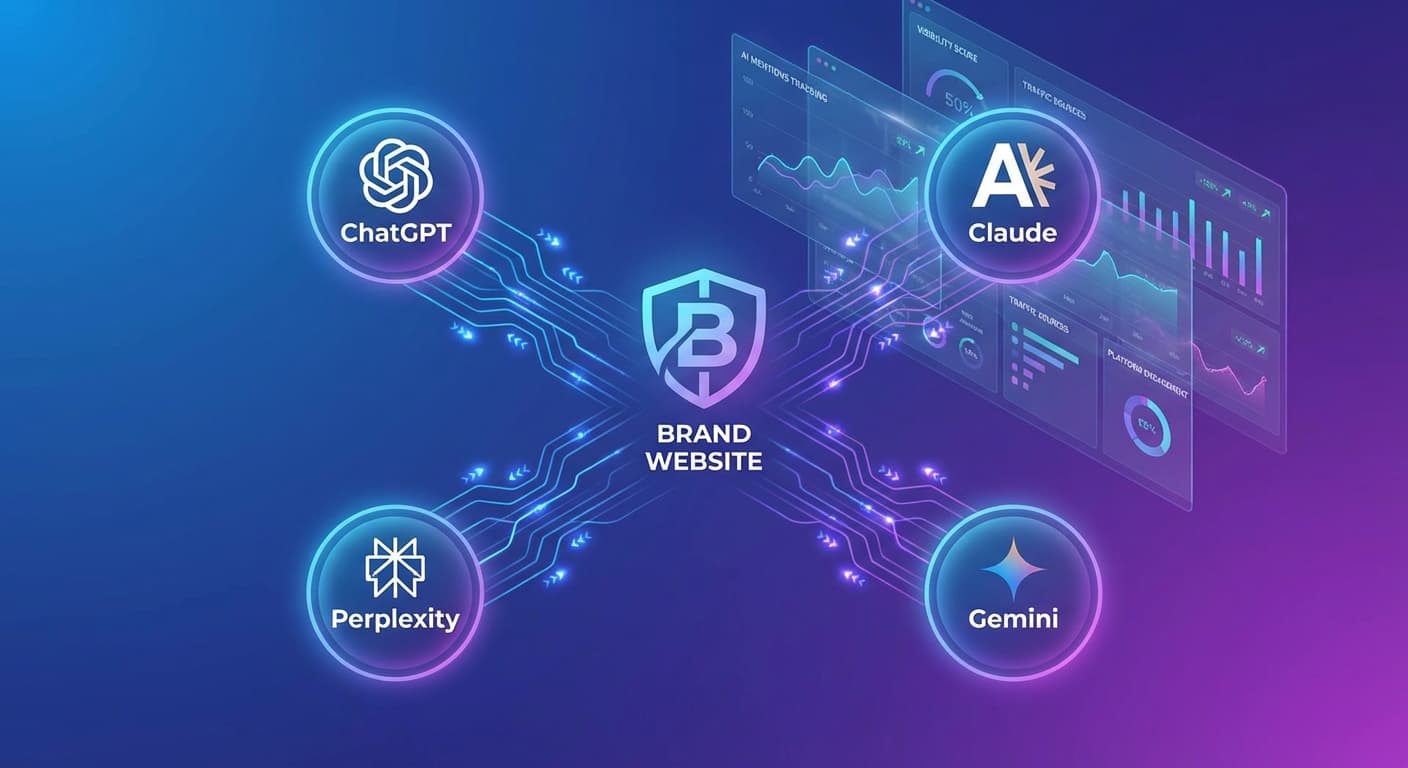
    Citescope's Citation Tracker automatically monitors when your content gets cited across ChatGPT, Perplexity, Claude, and Gemini. Instead of manually testing hundreds of queries monthly, you get automated alerts whenever your content appears in AI responses, complete with context and competing citations.

    Key Metrics to Track in AI Search

    Citation Frequency


  • How often your content gets referenced

  • Trends over time (increasing or decreasing mentions)

  • Distribution across different AI platforms
  • Citation Context


  • Primary source: Your content is the main reference

  • Supporting evidence: Used to back up other information

  • Alternative option: Mentioned alongside competitors

  • Expert opinion: Cited for thought leadership
  • Query Categories


  • Which types of questions trigger citations of your content

  • Most valuable query categories for your business

  • Gaps where competitors get cited instead
  • Competitive Intelligence


  • Which competitors appear in similar queries

  • What topics they dominate vs. where you excel

  • Opportunities to improve your positioning
  • Optimizing Based on Your Findings

    Content Gap Analysis

    Use tracking data to identify:

  • Topics where competitors get cited but you don't

  • Questions your audience asks that you haven't addressed

  • Opportunities to create more comprehensive resources
  • Authority Building

    Focus on the content types that earn the most citations:

  • Expand successful content formats

  • Update and refresh high-performing pieces

  • Create more authoritative, research-backed content
  • Technical Optimization

    Improve content structure for better AI interpretation:

  • Use clear headings and subheadings

  • Include relevant statistics and data points

  • Structure information in logical, scannable formats

  • Add schema markup where appropriate
  • How Citescope Helps

    Tracking AI search visibility manually is like trying to monitor your Google rankings by searching every day—it's time-consuming and provides limited insights. Citescope's Citation Tracker automates this entire process:

  • Real-time monitoring: Get alerts when your content is cited across major AI platforms

  • Citation context analysis: Understand how and why your content gets referenced

  • Competitive intelligence: See when competitors get cited in queries where you should appear

  • Performance trends: Track your AI visibility improvements over time

  • Content optimization: Use the GEO Score to optimize content for better AI citation potential
  • The platform also includes an AI Rewriter that restructures your content for better AI interpretability, helping you earn more citations in the first place.

    Building an AI Search Monitoring Routine

    Weekly Tasks (15 minutes)


  • Review citation alerts and new mentions

  • Test 5-10 key branded queries across AI platforms

  • Check for trending topics in your industry
  • Monthly Tasks (2 hours)


  • Comprehensive competitor analysis

  • Content performance review and optimization

  • Update query monitoring lists

  • Analyze citation trends and patterns
  • Quarterly Tasks (Half day)


  • Complete content audit for AI optimization

  • Strategy review and goal adjustment

  • Competitive landscape assessment

  • ROI analysis of AI visibility efforts
  • The Future of AI Search Monitoring

    As AI search continues to evolve, tracking will become more sophisticated. We're already seeing:

  • Integration with business intelligence platforms

  • Real-time citation impact on website traffic

  • Advanced attribution modeling for AI-driven conversions

  • Industry-specific AI monitoring solutions
  • Brands that start tracking AI visibility now will have a significant advantage as these technologies mature.

    Ready to Optimize for AI Search?

    Don't let your brand remain invisible in AI search engines. While your competitors are still focused solely on Google rankings, you can gain a competitive edge by tracking and optimizing for AI citations.

    Citescope makes it easy to monitor your AI search visibility across ChatGPT, Perplexity, Claude, and Gemini with automated tracking and optimization tools. Start with our free tier (3 optimizations per month) to see how your content performs in AI search, or upgrade to Pro ($39/month) for comprehensive citation tracking and unlimited optimizations.

    Start your free trial today and discover how visible your brand really is in the age of AI search.
    AI SearchBrand MonitoringCitation TrackingAI SEODigital Marketing

    Track your AI visibility

    See how your content appears across ChatGPT, Perplexity, Claude, and more.

    Start for Free