When AI Engines Cite Your Competitors But Not You: A Strategic Guide to Mid-Funnel AI Optimization
When AI Engines Cite Your Competitors But Not You: A Strategic Guide to Mid-Funnel AI Optimization
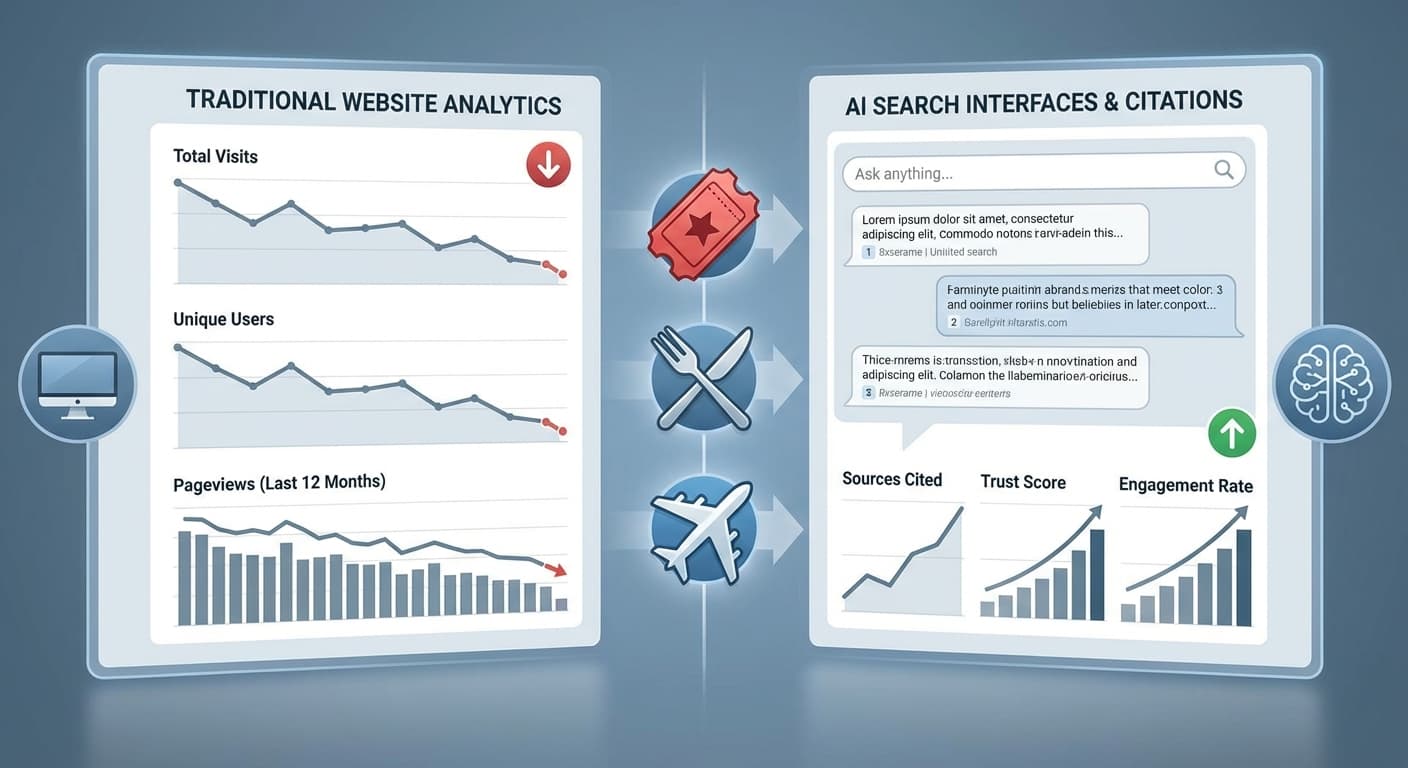
If you've been monitoring your brand mentions in AI search engines like ChatGPT, Perplexity, and Claude, you've likely discovered a frustrating pattern: AI systems are citing third-party comparison articles that mention your brand, while completely ignoring your own product pages, testimonials, and direct content. In fact, recent analysis shows that 68% of AI-generated product recommendations cite independent comparison content over brand-owned pages, fundamentally changing how businesses need to approach visibility in 2026.
This phenomenon represents one of the most significant shifts in digital marketing since the rise of social media, and understanding how to navigate it can mean the difference between thriving and disappearing in the AI-first search landscape.
Why AI Systems Prefer Third-Party Comparisons Over Your Content
AI search engines aren't intentionally snubbing your carefully crafted product pages and glowing testimonials. They're following sophisticated algorithms designed to provide users with balanced, objective information. Here's what's happening behind the scenes:
The Authority Paradox
AI systems have been trained to recognize that users seeking product information often want unbiased perspectives. When someone asks "What's the best project management tool for small teams?" the AI engine assumes they want comparative analysis, not promotional content from individual vendors.
This creates what we call the "authority paradox" – third-party review sites, comparison platforms, and industry publications carry more weight in AI training data because they're perceived as more objective sources.
Structural Content Preferences
AI engines favor content that:
Your product pages, while valuable, often focus on benefits rather than comparisons, making them less likely to surface in mid-funnel AI responses.
The Mid-Funnel Citation Challenge
The middle of the marketing funnel – where prospects are actively comparing solutions – has become the most competitive battleground in AI search. Here's why this matters more than ever in 2026:
Current AI Search Behavior Patterns
The Visibility Gap
While your competitors might not be getting direct citations either, the companies whose comparison content gets featured consistently are building significant competitive advantages. They're becoming the "trusted source" that AI engines reference repeatedly.
Strategic Approaches to Reclaim AI Visibility
1. Create Comparison-Friendly Content
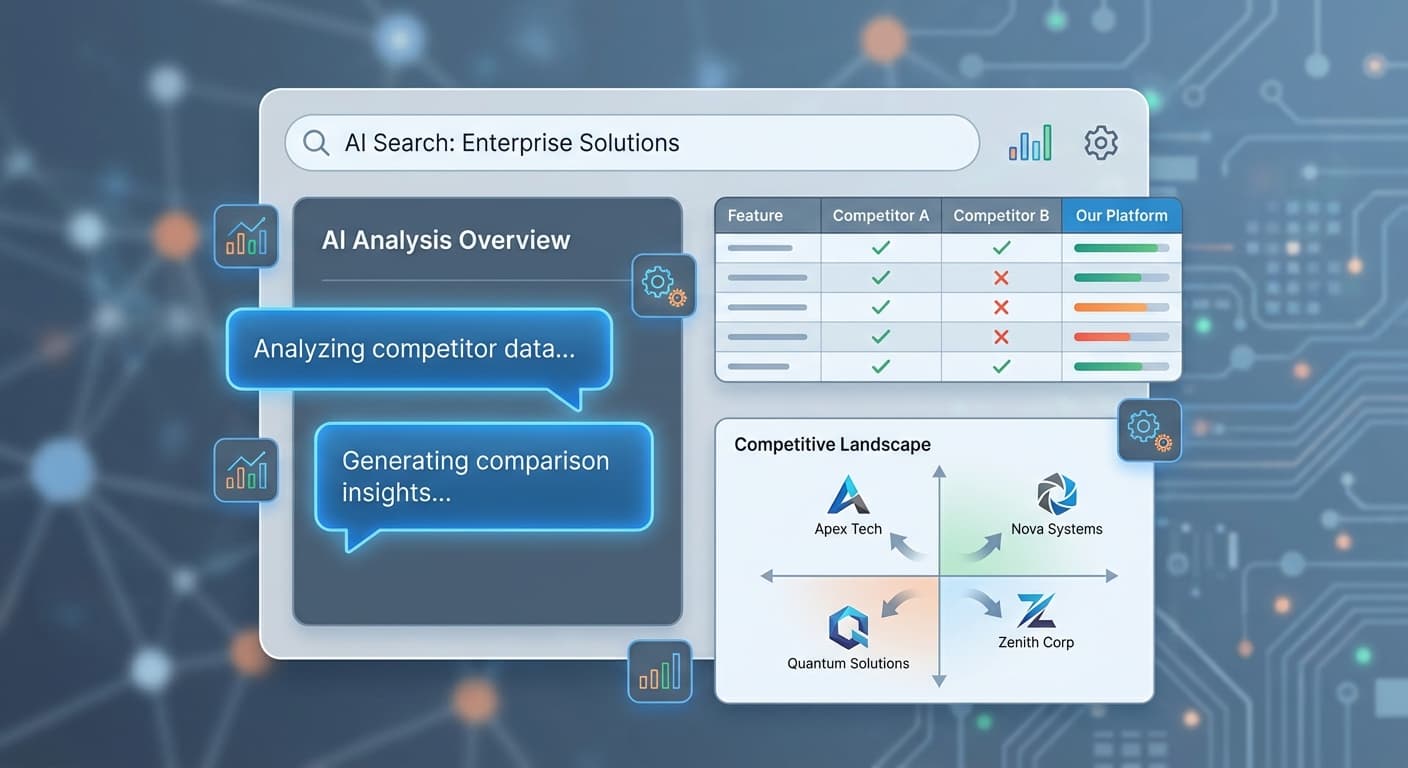
Instead of fighting the AI preference for comparative content, embrace it. Develop resources that position your solution within the broader competitive landscape:
Honest Competitor Comparisons
Alternative and Integration Content
2. Optimize for AI Question Patterns
AI engines respond to different question structures than traditional search. Optimize your content for how people actually interact with AI:
Question-Answer Formatting
Conversational Content Structure
3. Build Third-Party Citation Opportunities
Since AI engines prefer third-party sources, focus on becoming a cited source in independent content:
Industry Relationship Building
Data and Research Sharing
4. Enhanced Product Information Architecture
Restructure your existing content to be more AI-friendly without losing its conversion focus:
Structured Data Implementation
Content Depth and Context
Advanced AI Optimization Tactics
Semantic Relationship Mapping
AI engines understand relationships between concepts. Map out the semantic relationships around your product:
Create content that establishes these relationships clearly, making it easier for AI engines to understand when to reference your brand.
Multi-Format Content Strategy
Develop the same core information across multiple formats to increase citation opportunities:
Authority Signal Amplification
Build the authority signals that AI engines recognize:
Measuring AI Citation Success
Tracking your progress in AI search requires different metrics than traditional SEO:
Key Performance Indicators
Tools and Monitoring
Regularly monitor AI engines for:
How Citescope Ai Helps Navigate This Challenge
While building AI-friendly comparison content is crucial, ensuring it actually gets cited requires sophisticated optimization. Citescope Ai's GEO Score analyzes your content across five critical dimensions that AI engines prioritize: AI Interpretability, Semantic Richness, Conversational Relevance, Structure, and Authority.
The platform's AI Rewriter specifically addresses the comparison content challenge by restructuring your existing product pages and testimonials to include the comparative context and question-answer formatting that AI engines prefer. Instead of creating entirely new content, you can optimize existing resources to become more citation-worthy while maintaining their conversion focus.
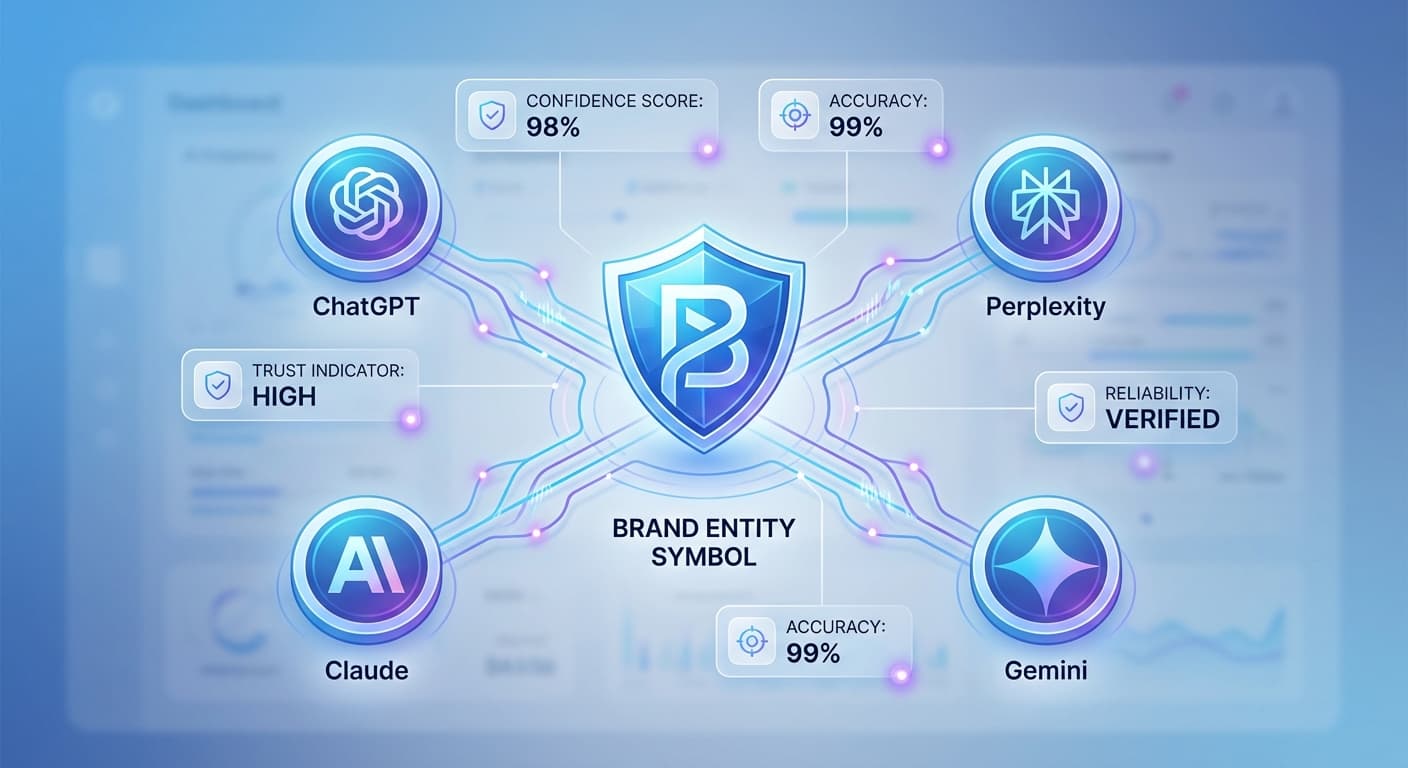
The Citation Tracker then monitors when your optimized content starts appearing in AI responses, letting you see exactly which optimization strategies are working across ChatGPT, Perplexity, Claude, and Gemini.
Building Long-Term AI Visibility
Success in AI search isn't about gaming the system – it's about aligning with how AI engines naturally prefer to serve information to users. The brands that will thrive in 2026 and beyond are those that:
The mid-funnel citation challenge is real, but it's also an opportunity. By understanding why AI engines prefer comparative content and adjusting your strategy accordingly, you can reclaim visibility in the conversations that matter most to your business growth.
Ready to Optimize for AI Search?
Tired of watching competitors get cited while your best content gets ignored? Citescope Ai helps you understand exactly why AI engines are skipping your content and provides one-click optimization to fix it. Start with three free optimizations to see how your content can become more citation-worthy, or upgrade to Pro for unlimited access to the tools that are helping businesses reclaim their AI visibility. Try Citescope Ai free today and start getting the AI citations your content deserves.